TakeMyPrint- Your Go-To for Free Printables.
TakeMyPrint, the ultimate online destination for free, printable coloring pages for kids. We have coloring pages, tracing practice sheets and plethora of learning activities for the curious minds.
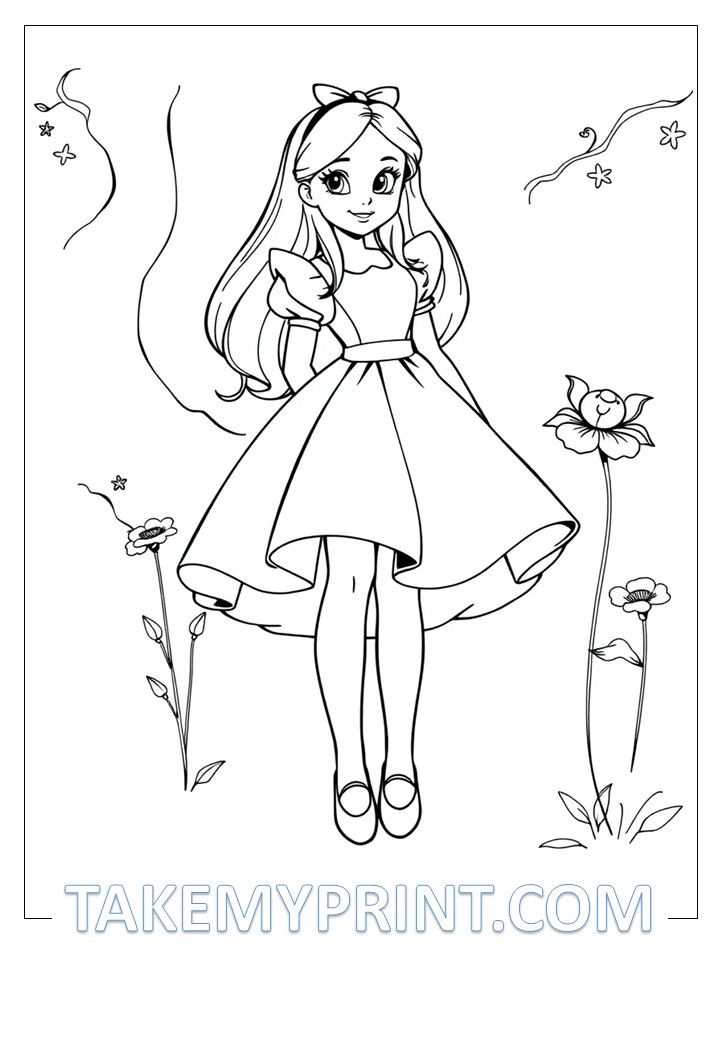
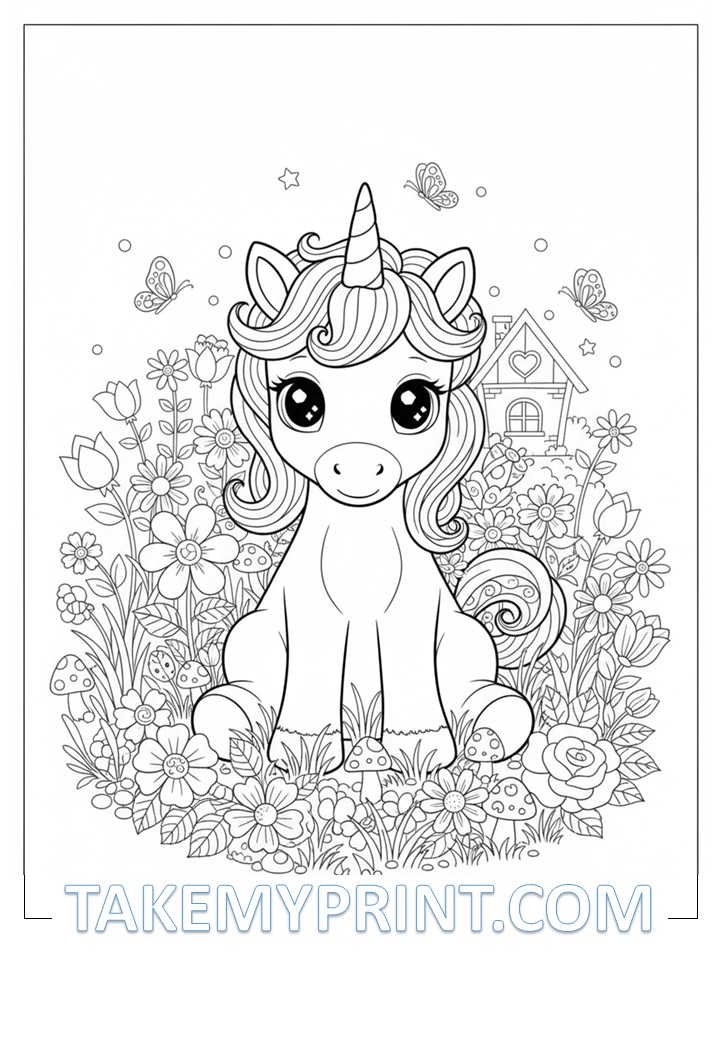
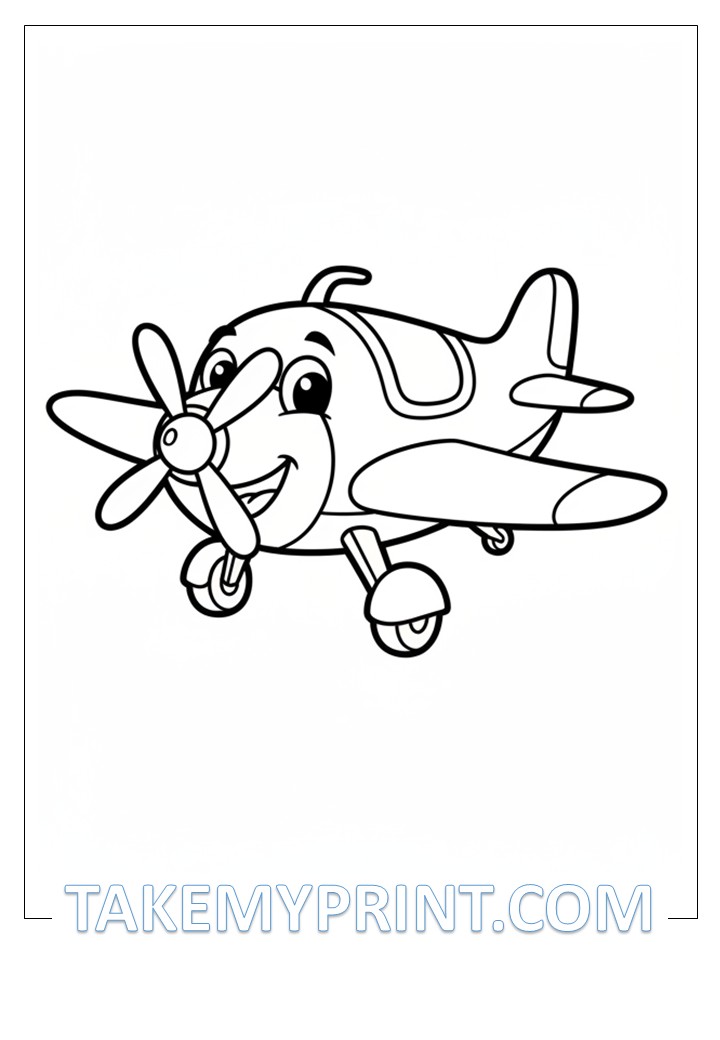
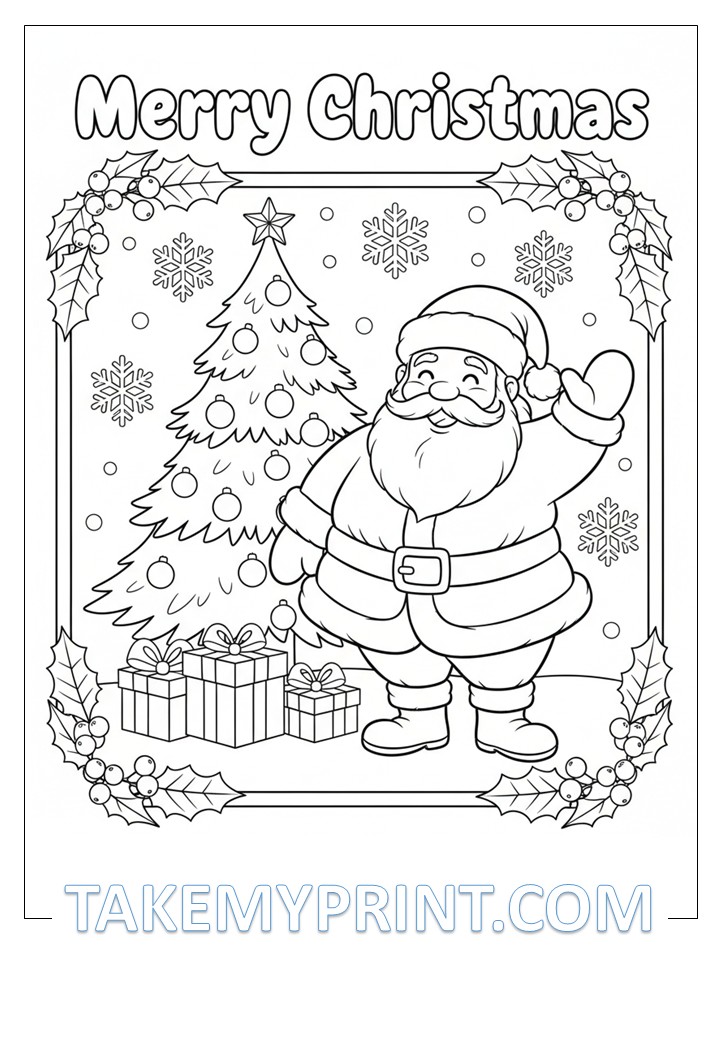
We’ve meticulously crafted this platform to be more than just a collection of images; it’s a vibrant hub designed to spark creativity, encourage learning, and provide endless hours of wholesome fun for children of all ages. From adorable animals and beautiful princesses to vehicles and magical unicorns, our extensive library is constantly updated with high-quality, easily downloadable PDFs that are perfect for little hands to color.
At TakeMyPrint, we believe in making educational and entertaining resources accessible to everyone. Our user-friendly interface ensures that parents and guardians can effortlessly browse, select, and print the perfect coloring page, transforming screen time into creative time. Get ready to unleash a world of color and imagination – all just a click away!
Welcome to TakeMyPrint, where little imaginations come to life!
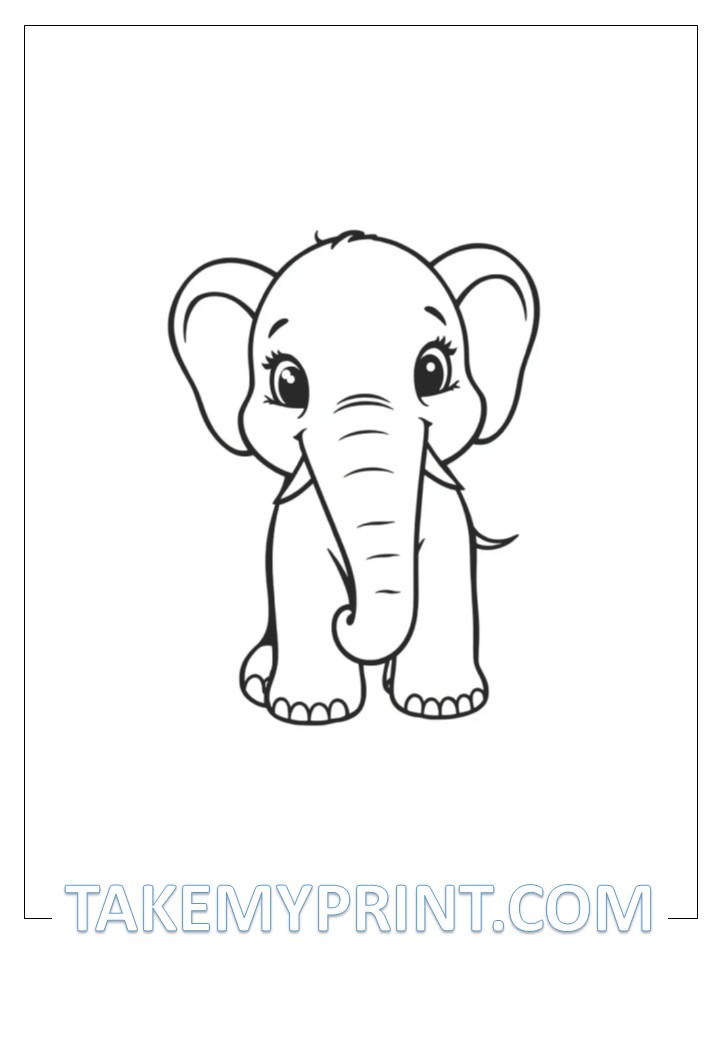
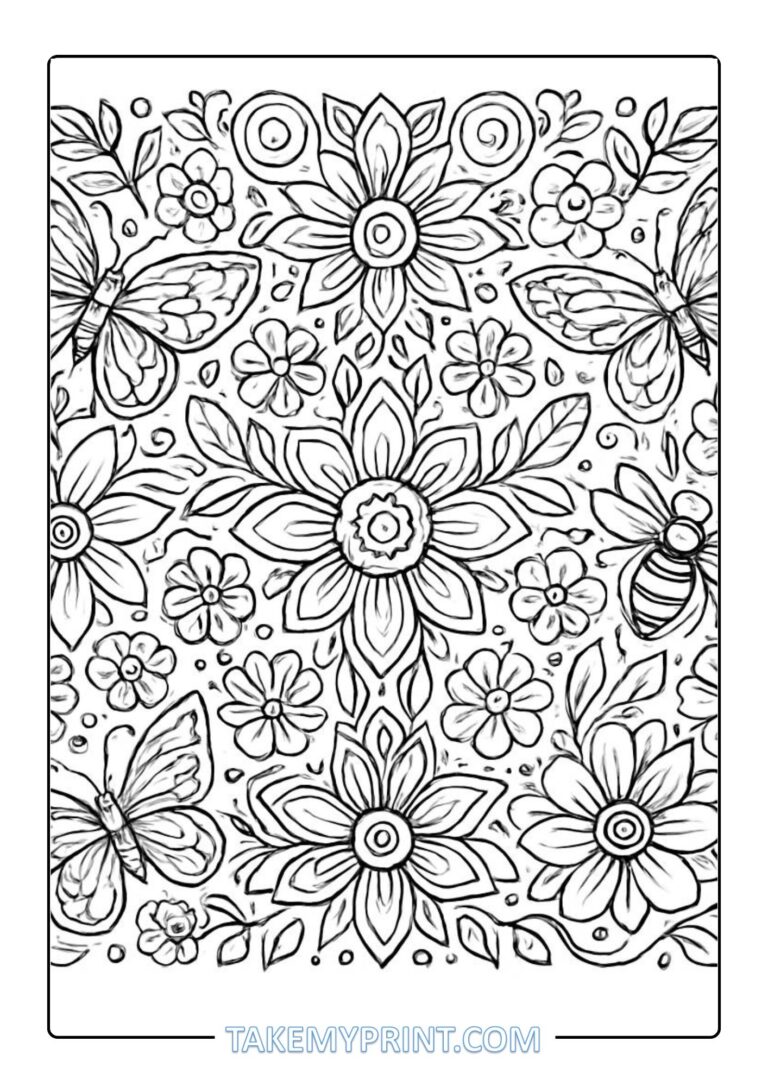
Step into a vibrant world of free, printable coloring sheets specially crafted for curious toddlers and preschoolers. From giggling princesses and majestic unicorns to friendly fire trucks, our high-quality sheets are designed with thick, bold lines perfect for tiny hands and big crayons.
We believe learning should be an adventure. That’s why we blend wholesome fun with tracing sheets and playful activities that spark early creativity and confidence. Just click, print, and watch your little ones dive into hours of screen-free joy.
Let the colorful journey begin today!
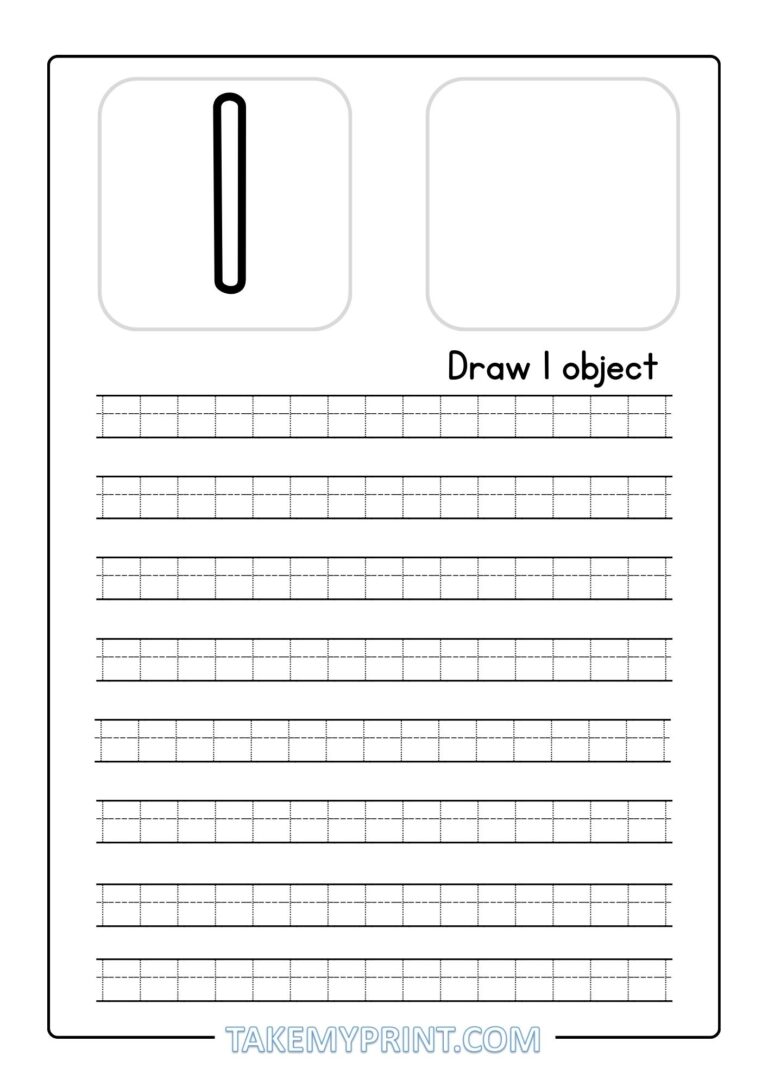
Welcome to TakeMyPrint, where learning to write is pure joy!
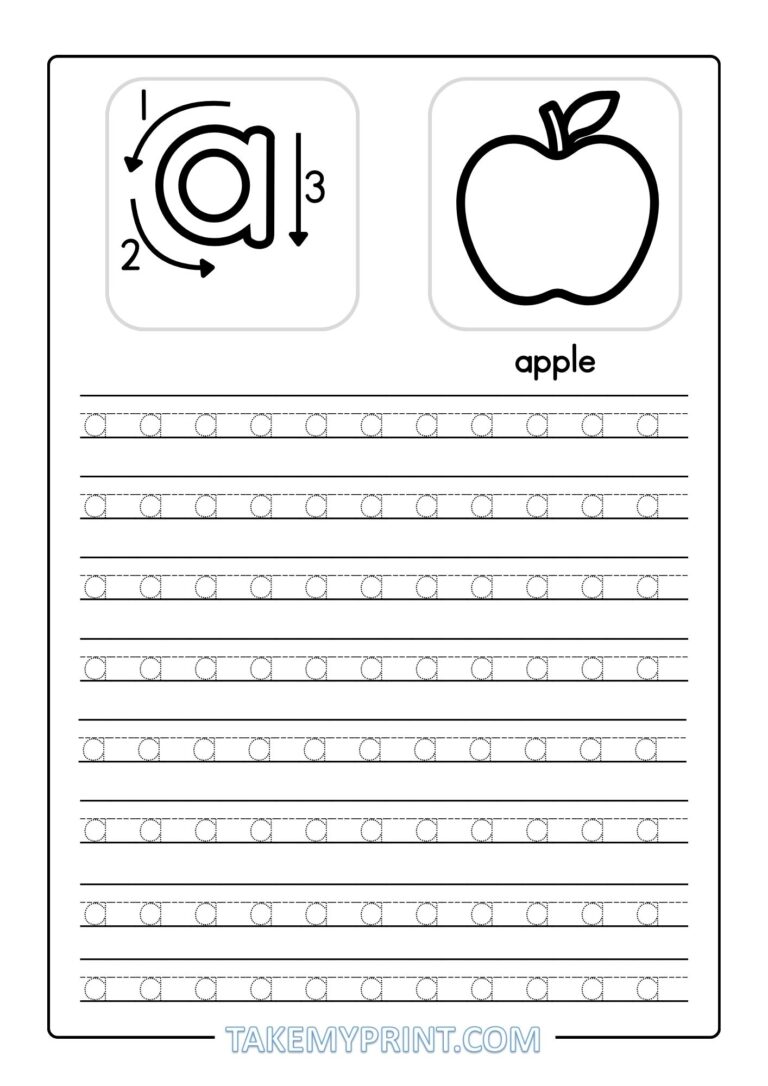
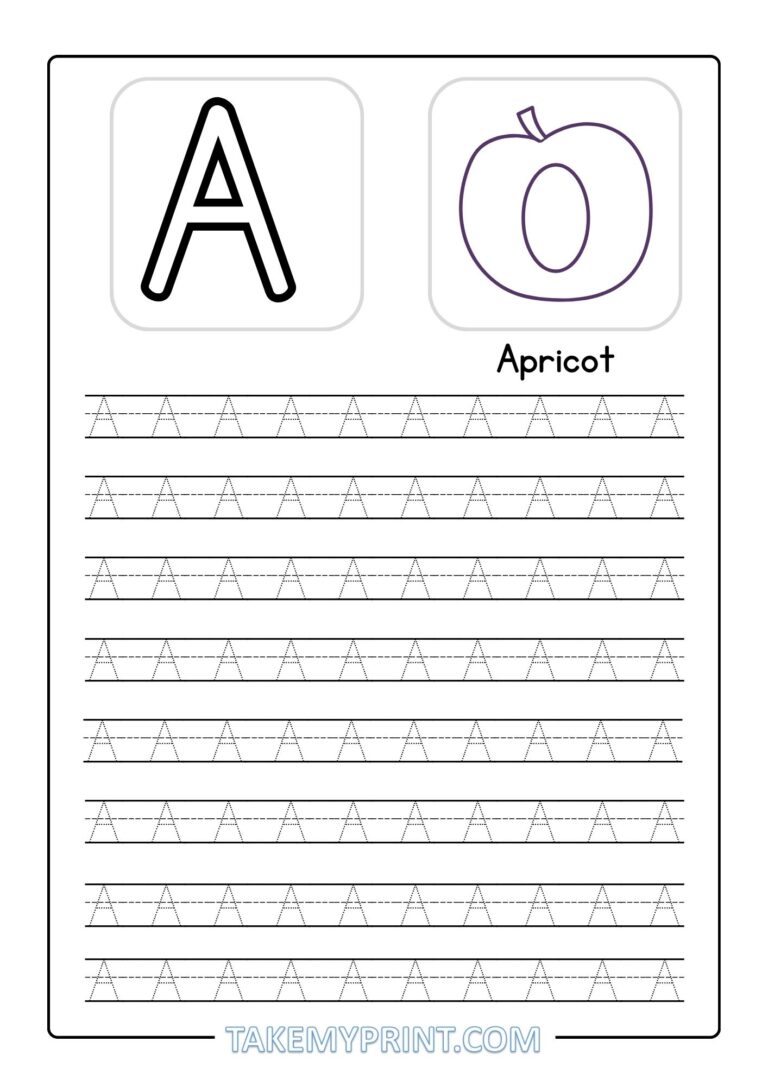
Our free, printable tracing sheets are carefully designed to help toddlers and preschoolers confidently master their numbers, capital letters, and small English letters. With clear directional arrows and spacious guidelines, these high-quality PDFs make it easy for tiny hands to trace from big A to little z, and from 1 all the way to 10!
Perfect for early learners, every playful page builds fine motor skills, pencil control, and screen-free confidence. Just click, print, and watch your little ones transform tracking lines into a lifelong love for learning.
Welcome to TakeMyPrint, where learning is packed with playful discoveries!
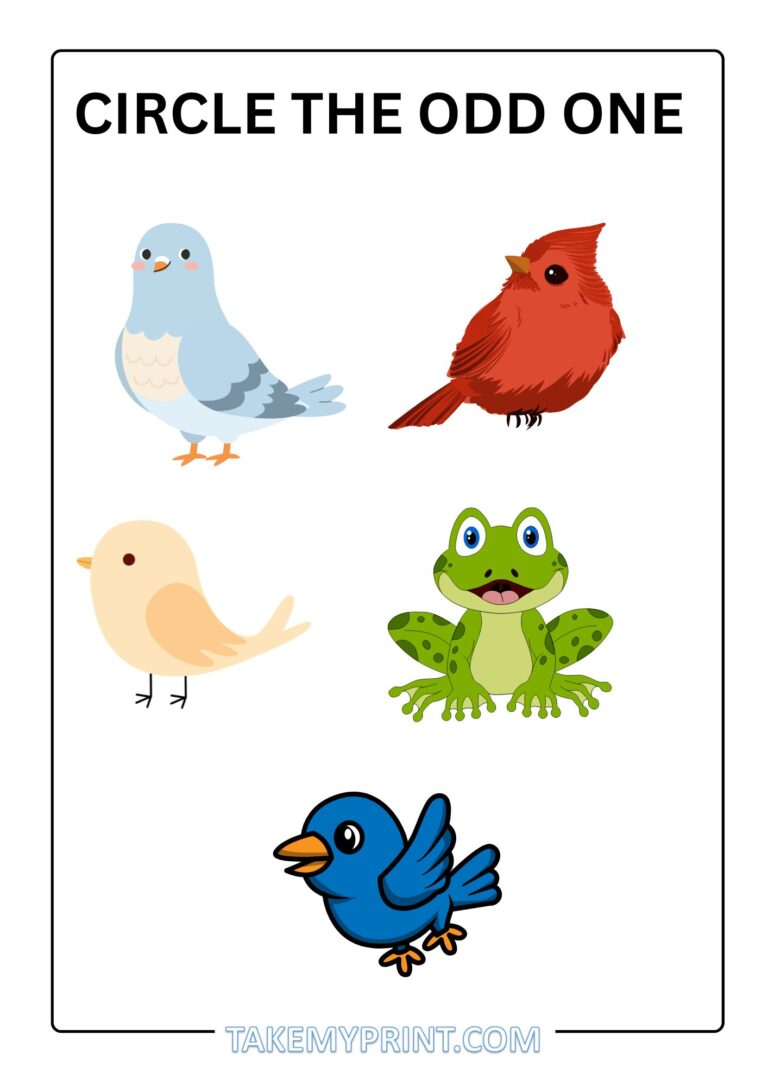
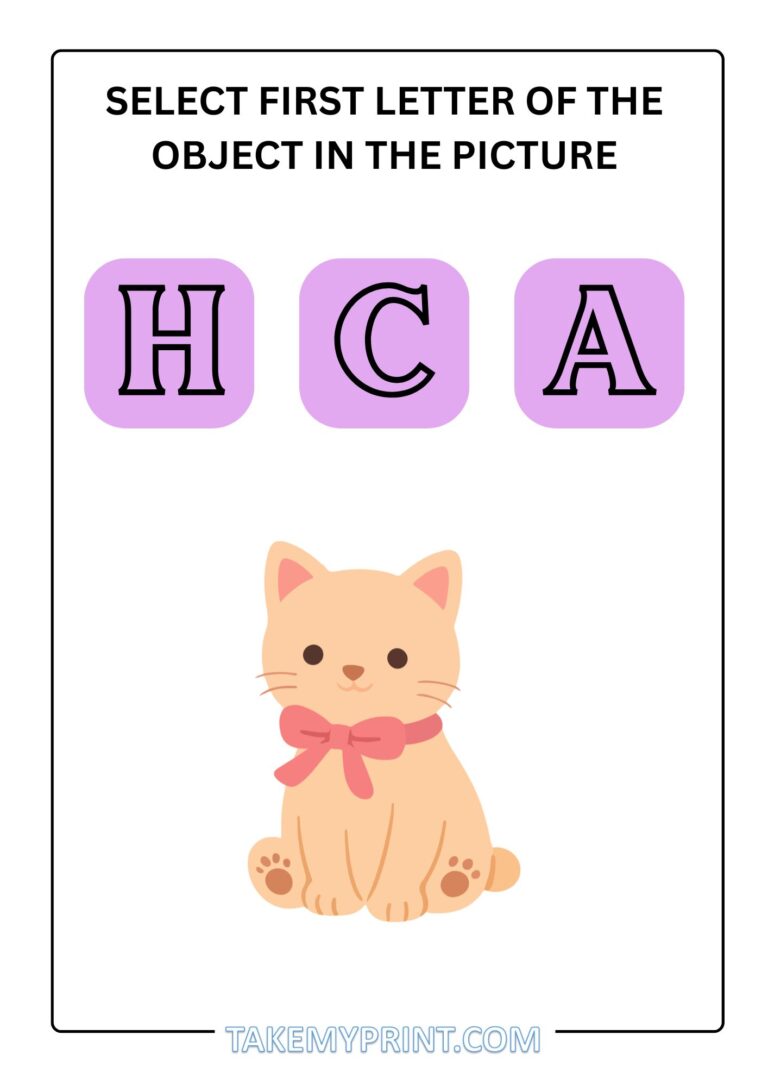
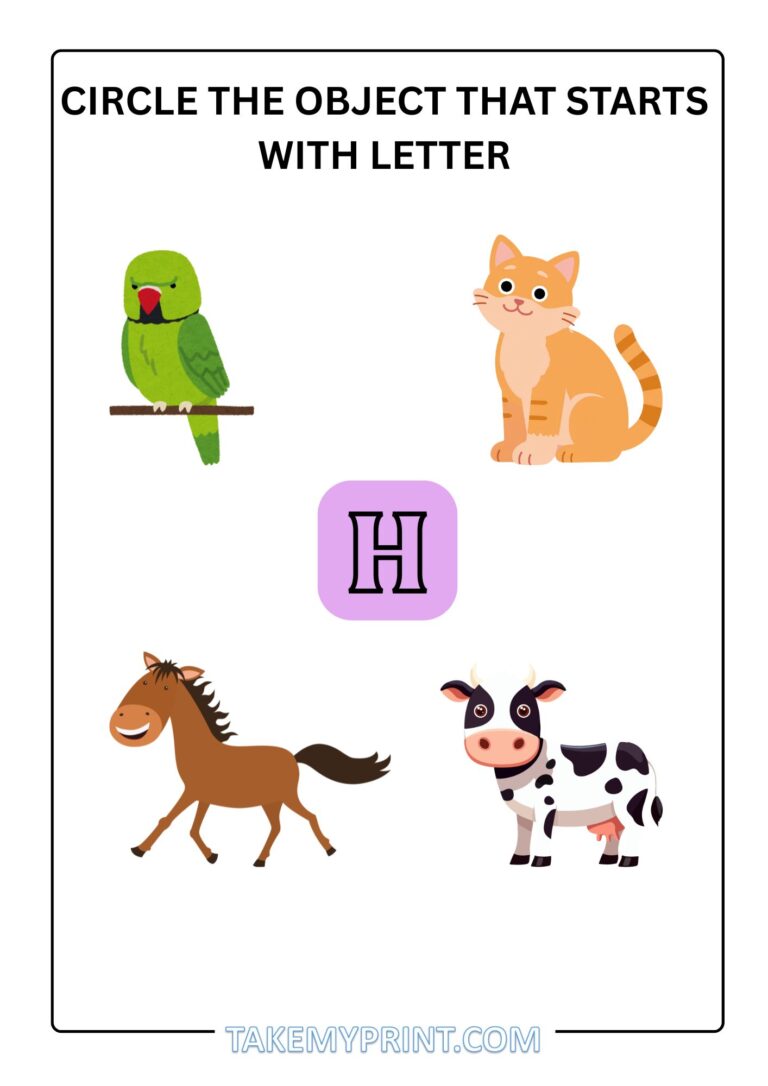
Our free, printable activity sheets, are specially designed to challenge and delight curious young minds. These high-quality sheets transform early education into an exciting game of logic and language. Your little ones can dive into fun interactive puzzles like “Circle the Letter” to match sounds, “Circle the Object” to build vocabulary, and “Circle the Odd One” to boost critical thinking and visual recognition.
Perfect for toddlers and preschoolers, each sheet encourages screen-free confidence. Just click, print, and watch your child solve their way to bright success!
In a world dominated by touchscreens and instant digital entertainment, there is something uniquely grounding about hand delivering a box of crayons and a fresh sheet of paper to a child. On the surface, coloring might look like little more than a fun, quiet activity to keep little hands busy. Beneath the surface, however, those simple strokes of color play an active role in building a child’s brain, body, and emotional balance.
At TakeMyPrint, we craft our printable activities to support key developmental milestones. Whether you are a parent looking for afternoon activities or an educator building a classroom toolkit, here is a closer look at what happens when children put crayon to paper.
Building Strong Physical & Motor Foundations
Nurturing Fine Motor Strength
Before children can handle pencils, write their names, or tie their shoes, they need to build muscle control in their hands, fingers, and wrists. Grasping a crayon, applying just the right amount of pressure, and directing it across a page serves as natural strength training for little hands, building the dexterity needed for everyday real-world tasks.
Mastering a Comfortable Pencil Grip
A proper writing grip doesn’t happen overnight; it develops in stages. Toddlers usually start with a full-fist “palmar” hold and gradually transition toward a mature, three-finger “tripod” grip. Broad, bold-lined printables give early learners a safe playground to experiment with grip angles and hand placement, easing the shift into comfortable handwriting down the road.
Sharpening Visual-Motor Integration
Coloring inside the lines isn’t about perfection—it’s about teaching the eyes and hands to work as a team. As a child tracks a border with their eyes and guides their hand to stay within it, they practice visual-spatial control. This hand-eye coordination lays the foundation for essential future skills, from reading left-to-right to playing sports.
Nurturing Young Minds & Academic Confidence
Understanding Spatial Awareness & Boundaries
Navigating a printable sheet introduces fundamental spatial concepts. Concepts like inside, outside, top, bottom, and adjacent become tangible as children decide where to shade. This early spatial reasoning directly translates to early math skills, geometry, and structured writing skills later on.
Expanding Visual Discrimination & Color Theory
A simple box of crayons becomes an early laboratory for sight and logic. Children learn to differentiate between shades, recognize color relationships, and notice subtle visual contrasts. Learning to distinguish between subtle hues sharpens visual perception—a skill directly tied to letter recognition and early reading.
Cultivating Patience and Deep Focus
Fast-paced digital media offers instant gratification, but coloring takes time. Sitting down to complete a full page encourages children to slow down, settle their attention, and practice sustained focus. Finishing a page gives them a genuine sense of pride and teaches the value of sticking with a task until it’s done.
Emotional Wellness & Creative Freedom
A Gentle Outlet for Calm and Focus
Coloring is naturally soothing. The gentle, rhythmic movement of shading across paper helps calm an overstimulated nervous system, quiet worries, and offer a moment of mindfulness. Building quiet coloring time into a daily routine provides kids with a peaceful, screen-free sanctuary to decompress.
Encouraging Fearless Self-Expression
While printables offer structured borders, what happens inside those outlines is entirely up to the child. If they want to draw a purple grasshopper or a blue sun, they can! Coloring gives children total creative freedom in a risk-free space where there are no “wrong answers,” helping build creative confidence.
Practical Ways to Upgrade Printable Play
Want to take simple printables a step further? Here are four easy ways to turn everyday coloring sheets into rich, multi-sensory learning moments:
Experiment with Diverse Textures: Mix things up beyond standard crayons. Offer oil pastels, watercolors, chalk, or craft supplies like tissue paper and pom-poms to give little fingers new tactile experiences.
Pair Tracing with Coloring: Use worksheets that combine tracing and shading. Having a child trace dotted letters or shapes before coloring reinforces pre-writing muscle memory in a playful way.
Transform Art into Keepable Crafts: Give finished pages a second life! Cut out colored figures to create stick puppets, customize homemade greeting cards, or hang them up to create a mini home gallery.
Spark Conversational Learning: Use the page as a springboard for curiosity. Ask open-ended prompts like, “What story do you think is happening here?” or “Where do you think this character is traveling?” to boost language skills while they create.
Frequently Asked Questions
When can toddlers start using coloring pages?
Most toddlers can start exploring coloring pages around 12 to 18 months. At this age, use extra-thick, non-toxic crayons or washable markers. Keep the focus entirely on scribbling, sensory exploration, and having fun rather than staying inside the lines.
What paper should I use for printing worksheets at home?
Standard copy paper ($80\text{ GSM}$) works great for crayons and colored pencils. However, if your child loves heavy markers, watercolors, or paint, print on heavier cardstock ($120+\text{ GSM}$) to prevent ink bleed and tearing.
Should kids use blank paper or structured coloring sheets?
Both serve unique and valuable purposes! Plain blank paper sparks open-ended imagination from scratch, while structured coloring sheets focus on building spatial awareness, fine motor control, and line discipline. Using a healthy balance of both gives young learners the best of both worlds.