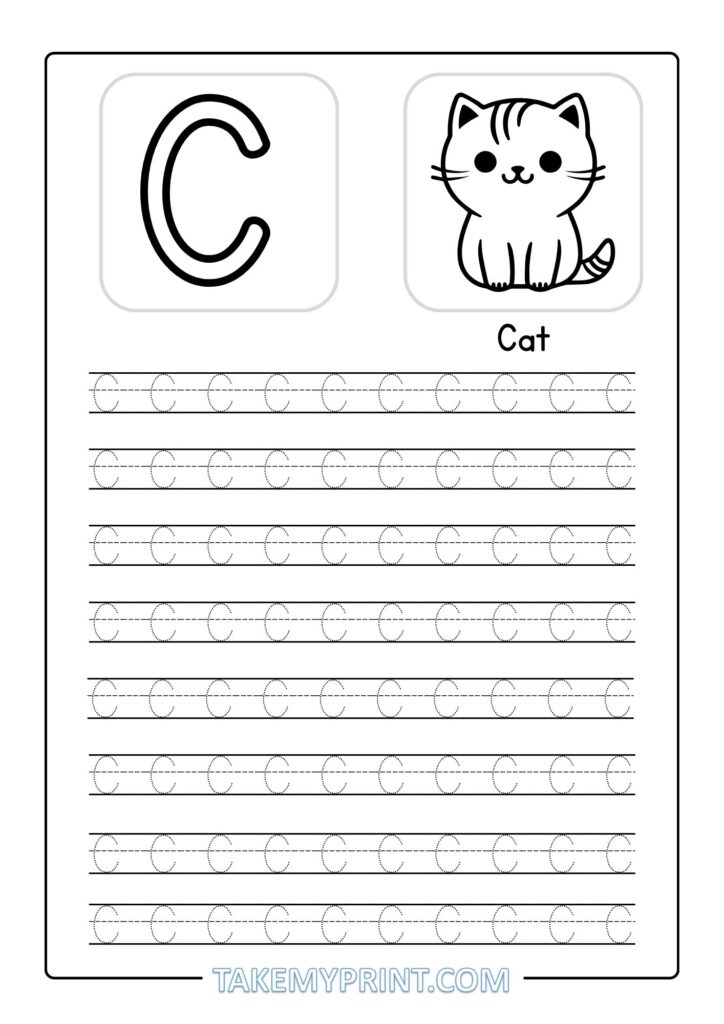
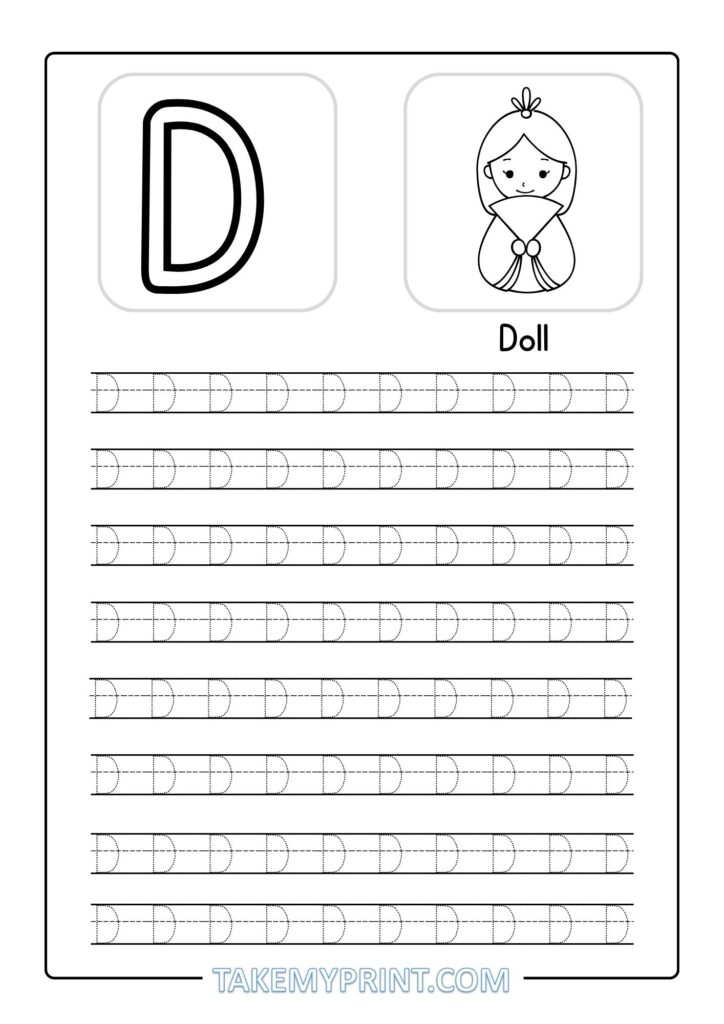
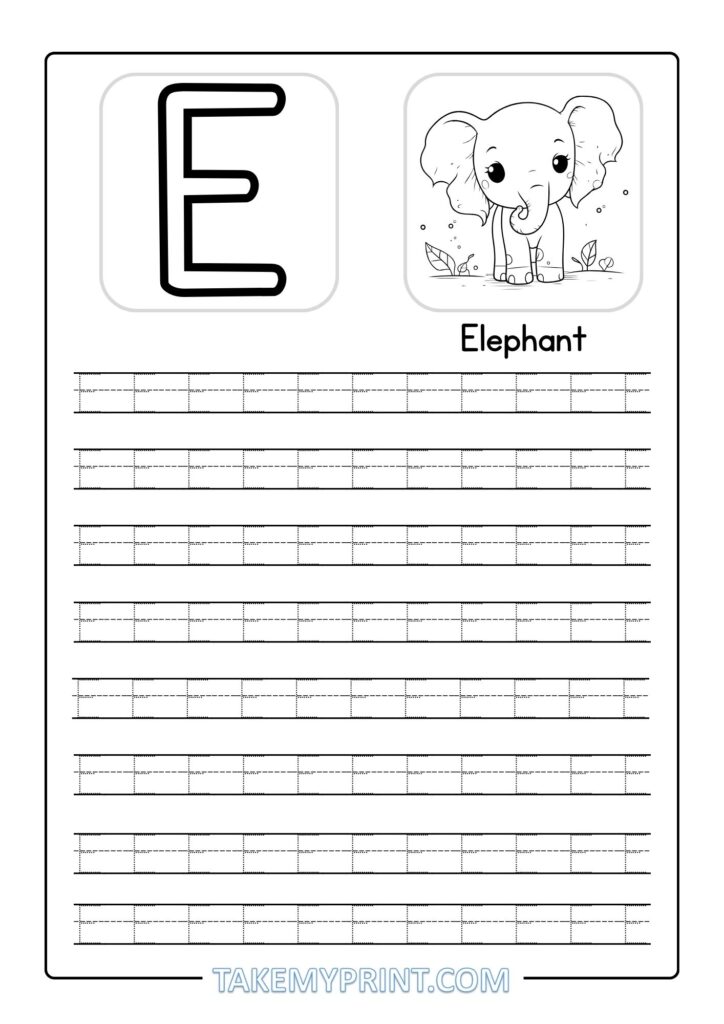
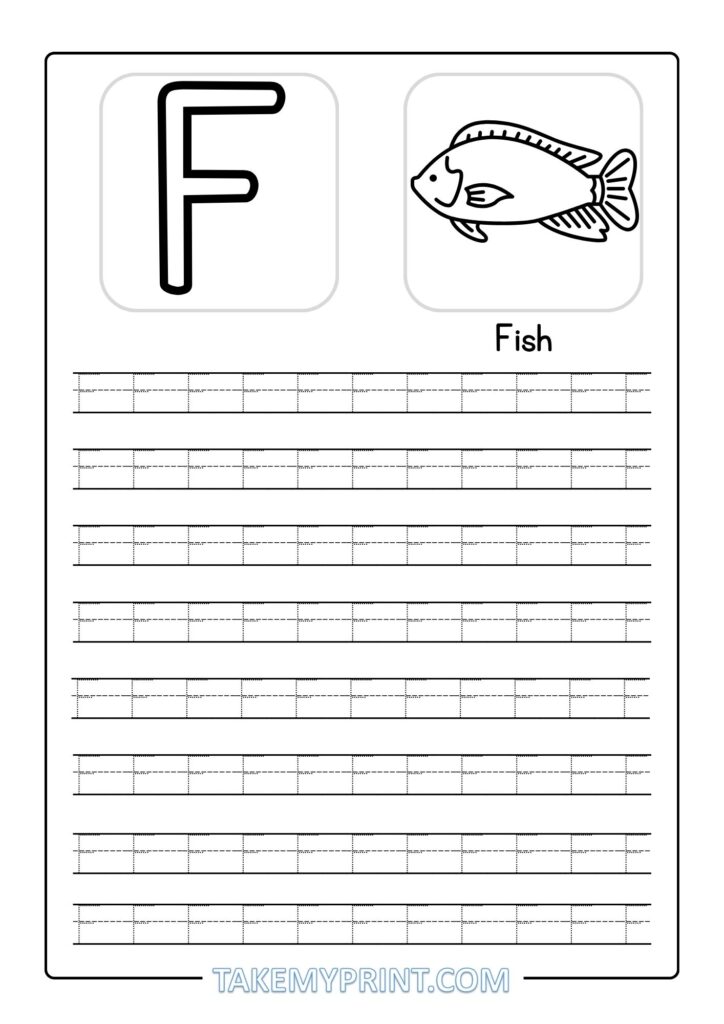
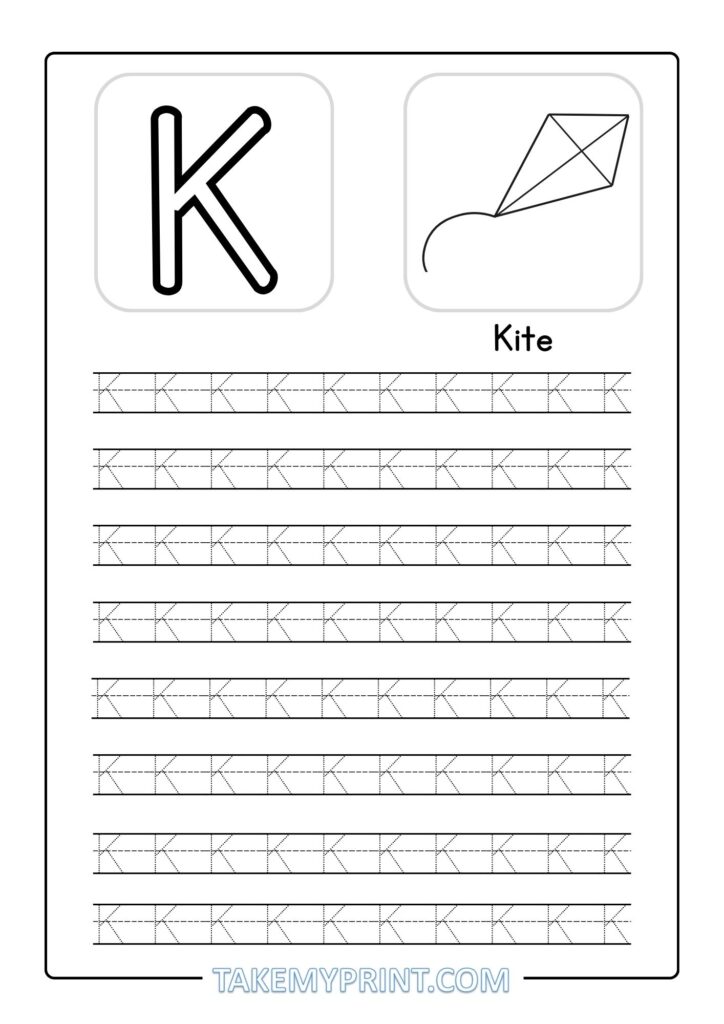
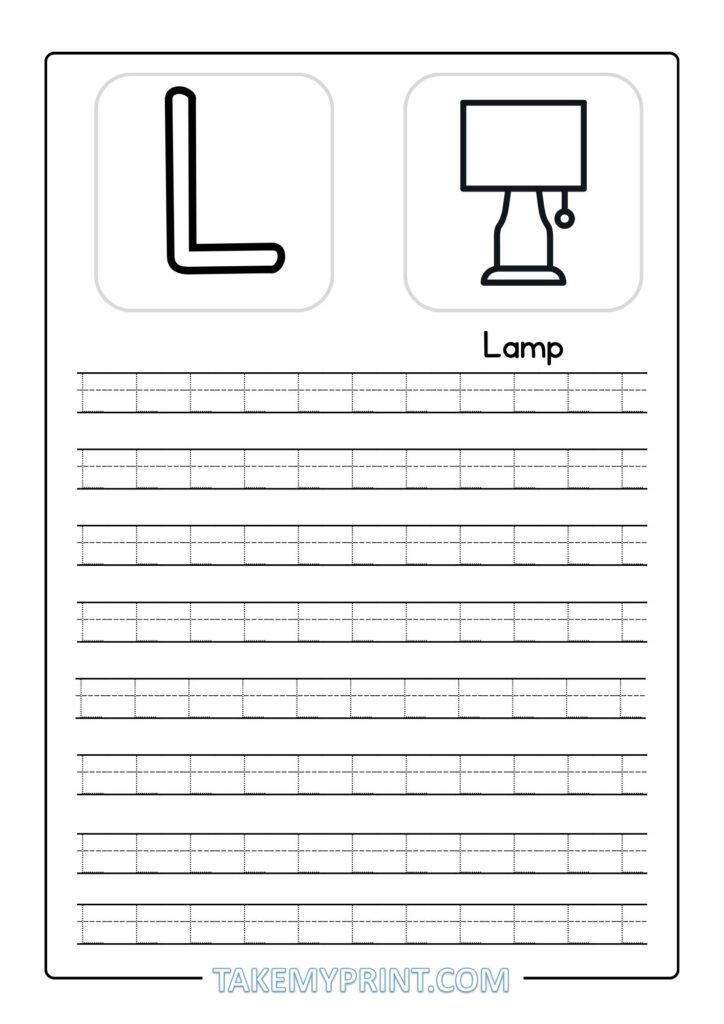
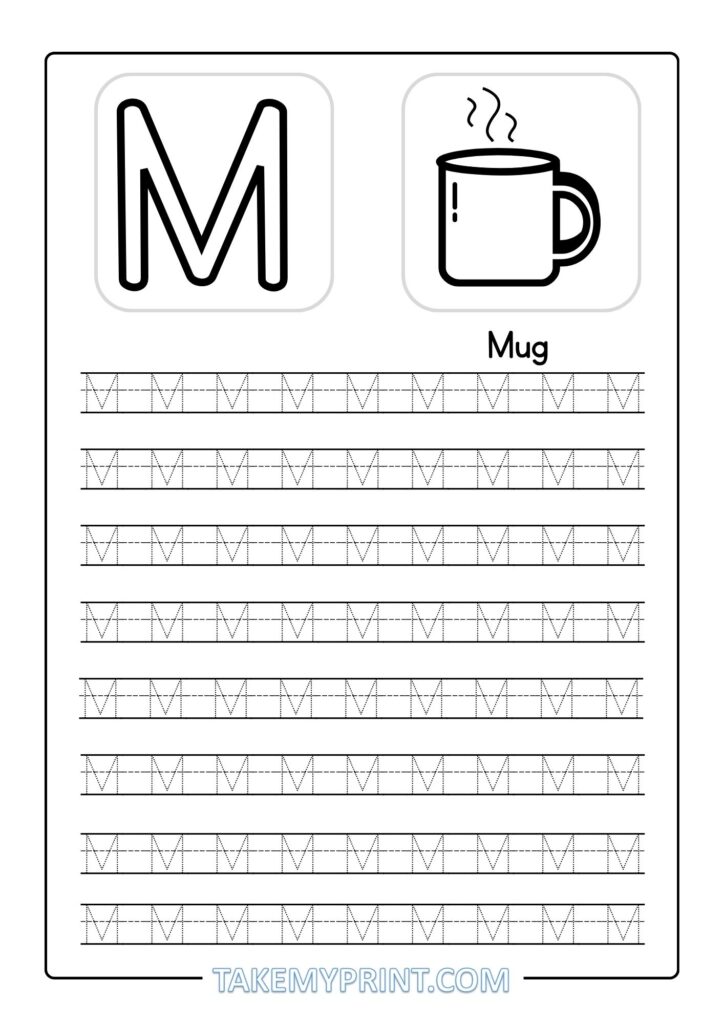
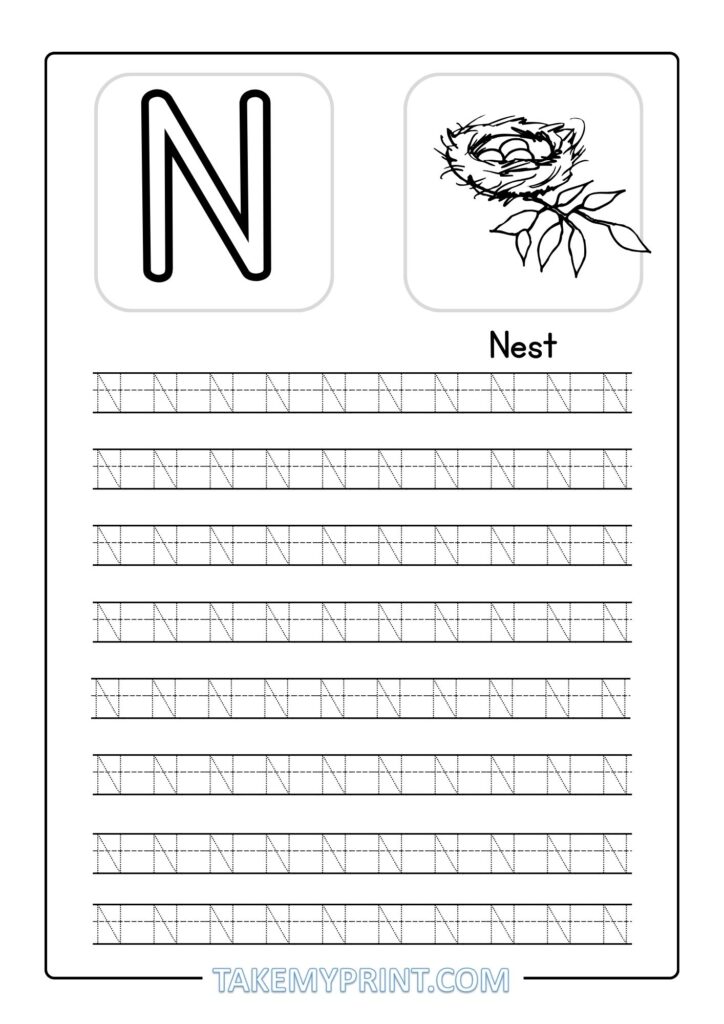
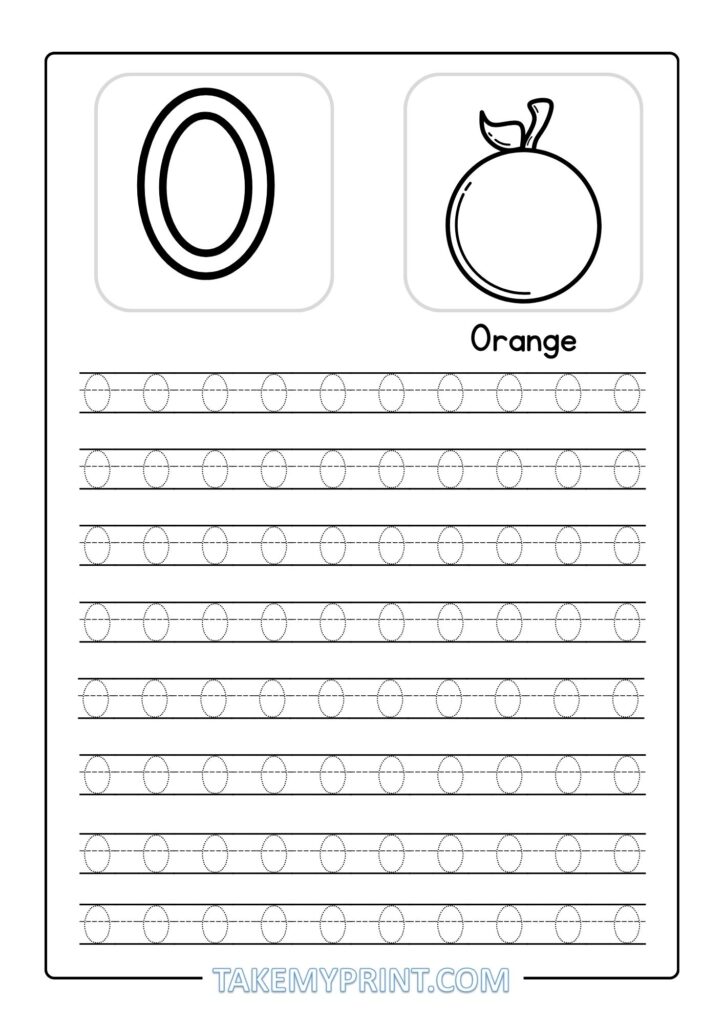
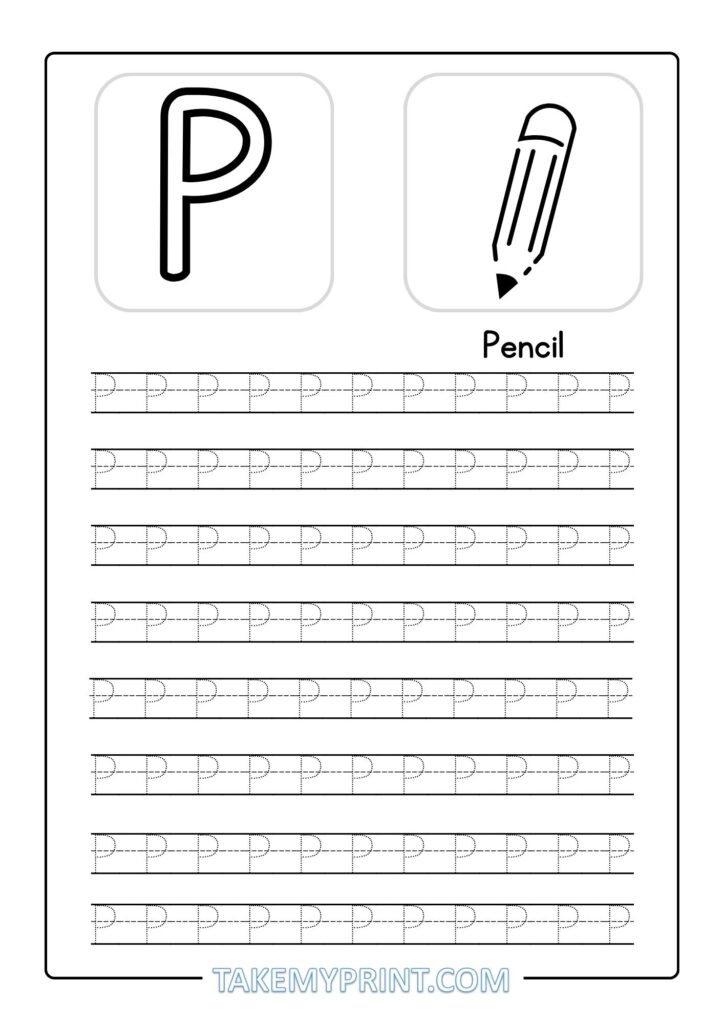
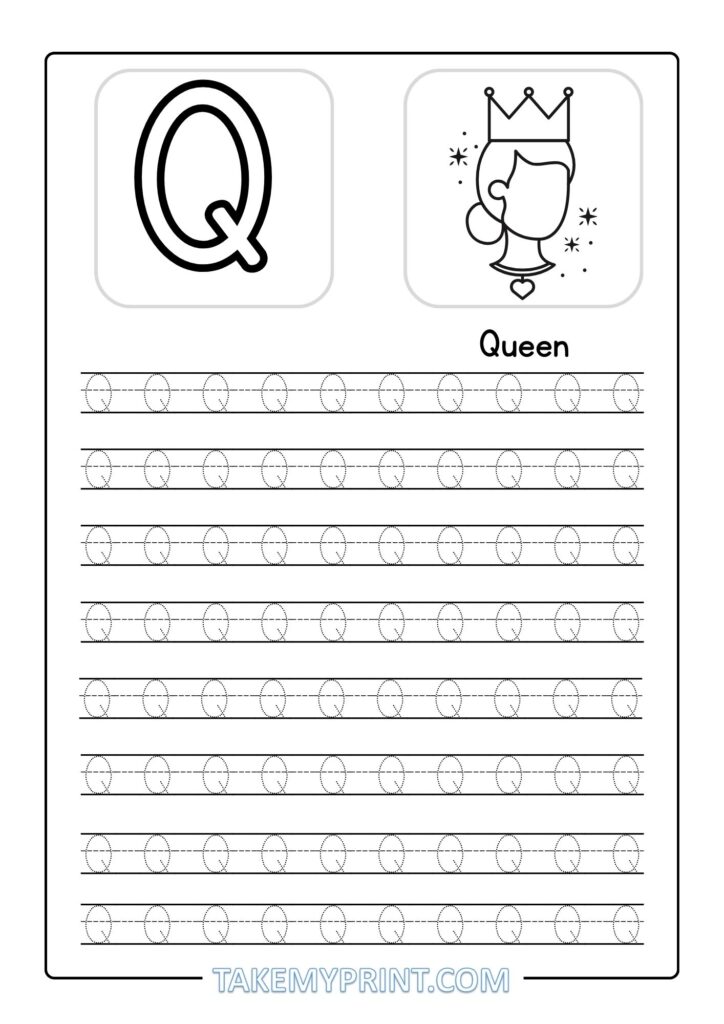
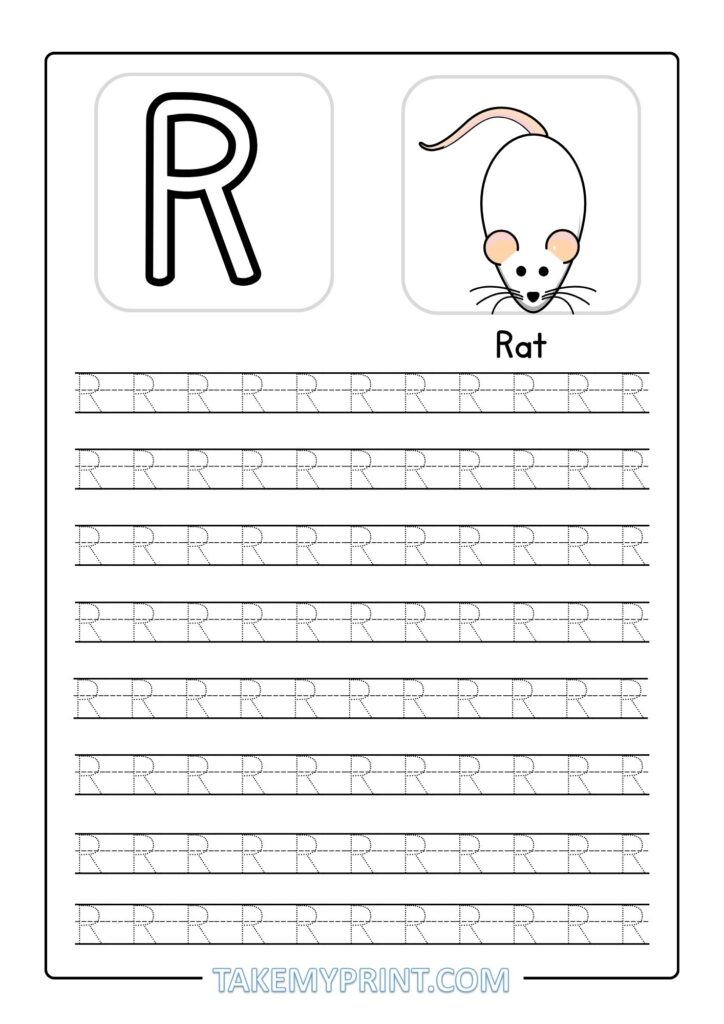
Uppercase Letters Tracing Worksheets!

To dominate search results in 2026, this description targets high-intent keywords used by educators and parents looking for “foundational writing” and “no-prep” materials. It balances educational value with the ease of use that busy adults crave.


Welcome to the Uppercase Universe!


Ignite your child’s writing journey with our Free Printable Uppercase Letter Tracing Worksheets! This is the ultimate alphabet headquarters for little learners ready to master their “Big Letters” from A to Z. Whether you’re a parent, teacher, or homeschooling hero, you’ve found the most engaging way to build early literacy skills and handwriting confidence.


Why Our Capital Letter Tracing Pages are Top-Rated:


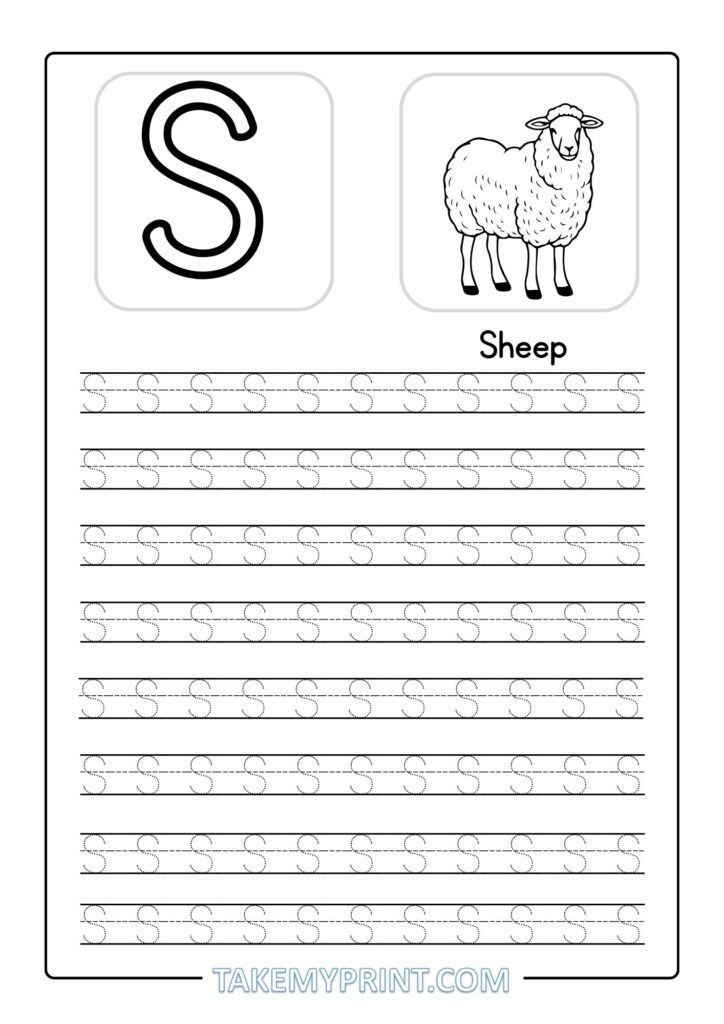
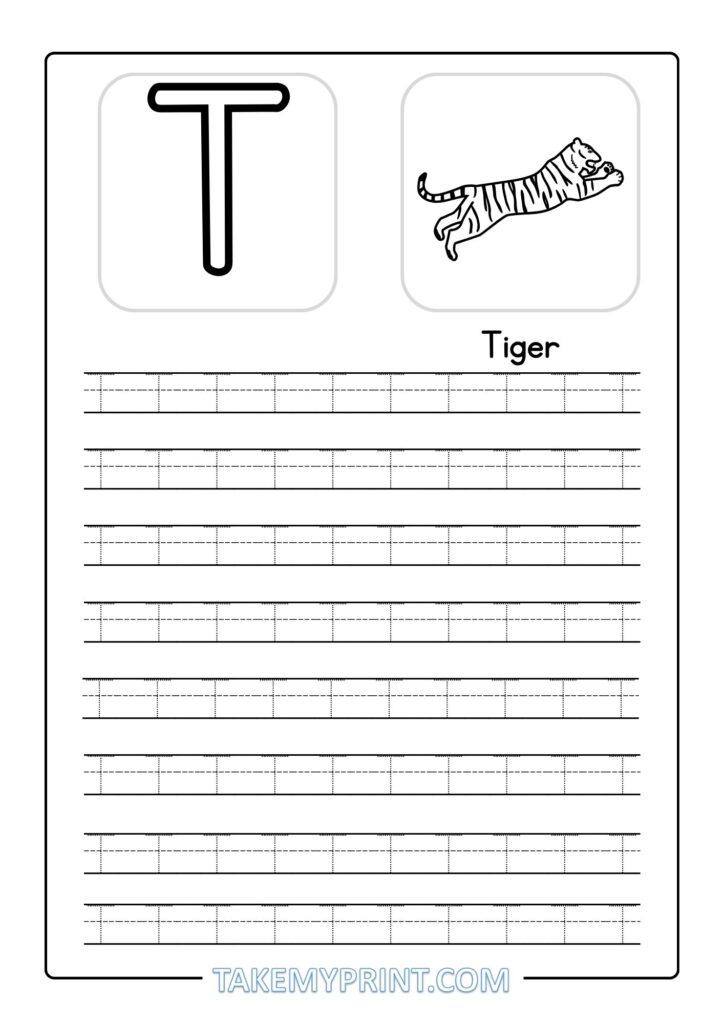
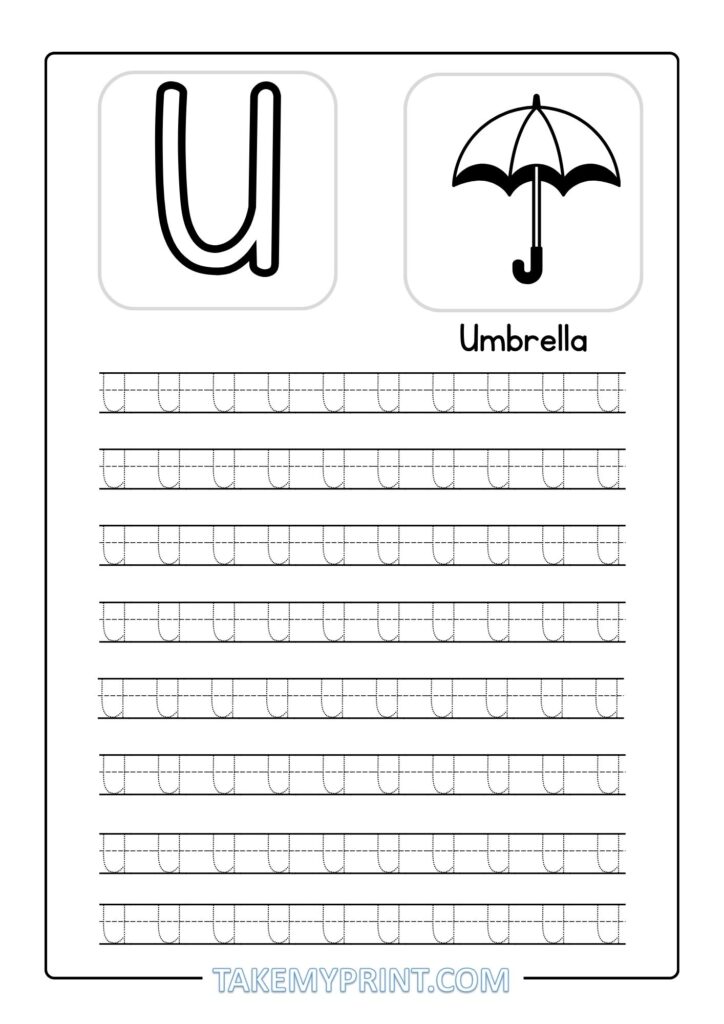
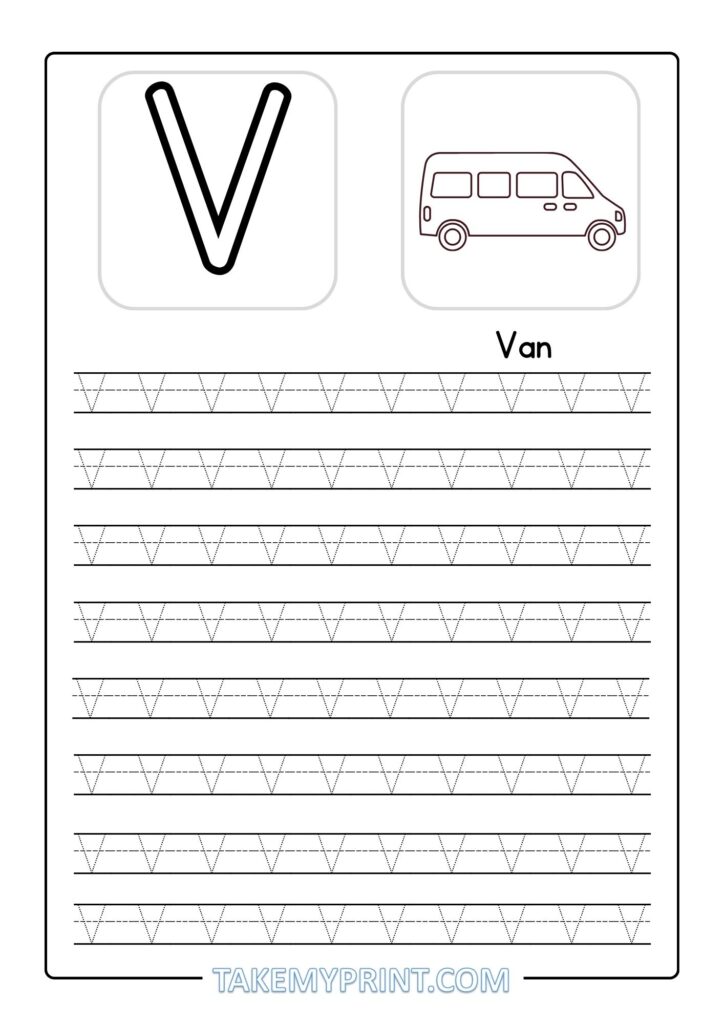
  • Step-by-Step Success: Every worksheet features numbered directional arrows and guided tracing lines to ensure children learn the correct stroke order for every uppercase letter.

  • Fine Motor Development: Our large-format dotted letters are perfect for tiny hands to practice pencil control and grip strength, turning wiggly lines into solid shapes.

  • Alphabet Mastery: Writing uppercase letters is a critical milestone in letter recognition and phonemic awareness, setting the stage for reading success.

  • Instant Classroom Solutions: From no-prep kindergarten centers to quiet-time activities at home, our high-quality PDFs are ready to print and use in seconds.

Free Printable Uppercase Letter Tracing Sheets: Capital A–Z Handwriting Practice

Welcome to the uppercase letter tracing collection at TakeMyPrint! If you are looking for clear, structured, and easy-to-use capital letter handwriting worksheets for toddlers, preschoolers, and kindergarteners, you are in the right spot. Learning how to trace and write uppercase letters (A–Z) is often a child’s very first introduction to written language. Capital letters feature big, bold, straight strokes and simple curves that make them exceptionally easy for small hands to grasp and master.

Whether your child is learning to write their own name, practicing initial letter sounds, or building essential pencil-control skills, our library of downloadable PDFs offers a reliable, stress-free resource for parents, homeschoolers, and teachers. Every page is crafted with clear dotted paths, starting guides, and clean layouts so young learners can build writing confidence without feeling overwhelmed.

Why Uppercase Letter Tracing is Ideal for Beginner Writers

For toddlers and preschoolers taking their first steps in handwriting, starting with capital letters is a proven educational strategy. Behind the fun of tracing along dotted lines, practicing uppercase letters delivers key developmental benefits for early literacy and physical growth:

1. Simpler Stroke Geometry for Small Hands

Uppercase letters are composed primarily of straight vertical lines, horizontal bars, and basic diagonal angles (such as in “E,” “F,” “H,” “L,” and “T”). These linear movements are much easier for young children to execute than the tight, continuous curves and loop combinations required for many lowercase characters. Starting with simpler strokes helps beginners achieve quick wins and build early motor confidence.

2. Building Fine Motor Strength and Hand Endurance

Guiding a pencil accurately along dotted uppercase paths requires deliberate hand-eye coordination. As children trace capital letters, they strengthen the small muscle groups in their fingers, hands, and wrists. Building this grip strength early on makes holding school pencils, using safety scissors, and transitioning to smaller lowercase letters much smoother down the road.

3. Enhancing Capital Letter Recognition and Name Writing

A child’s name is usually the first word they learn to write, and it always begins with a capital letter! Tracing uppercase sheets helps toddlers recognize the initial letters of their names, family members’ names, and everyday signs. Connecting physical stroke practice with visual letter recognition accelerates early reading readiness and alphabet familiarity.

4. Practicing Proper Pencil Grip and Stroke Sequence

Traceable dotted worksheets provide a low-pressure environment for children to practice transitioning from a full-fist grip to a proper three-finger tripod pencil grip. Additionally, guided starting points teach kids to form letters from top to bottom and left to right, instilling proper handwriting stroke order from the very beginning.
Explore Our Collection of Printable Uppercase Sheets

To help you quickly locate the exact practice materials your child needs, we organized our TakeMyPrint uppercase tracing category into clear, convenient sections:

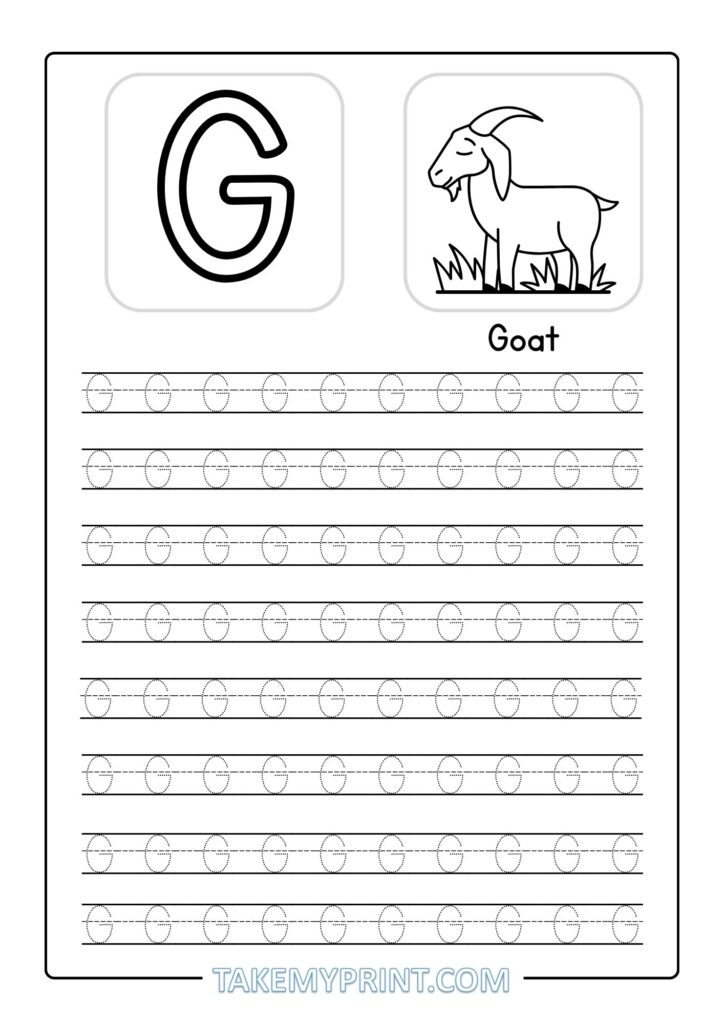
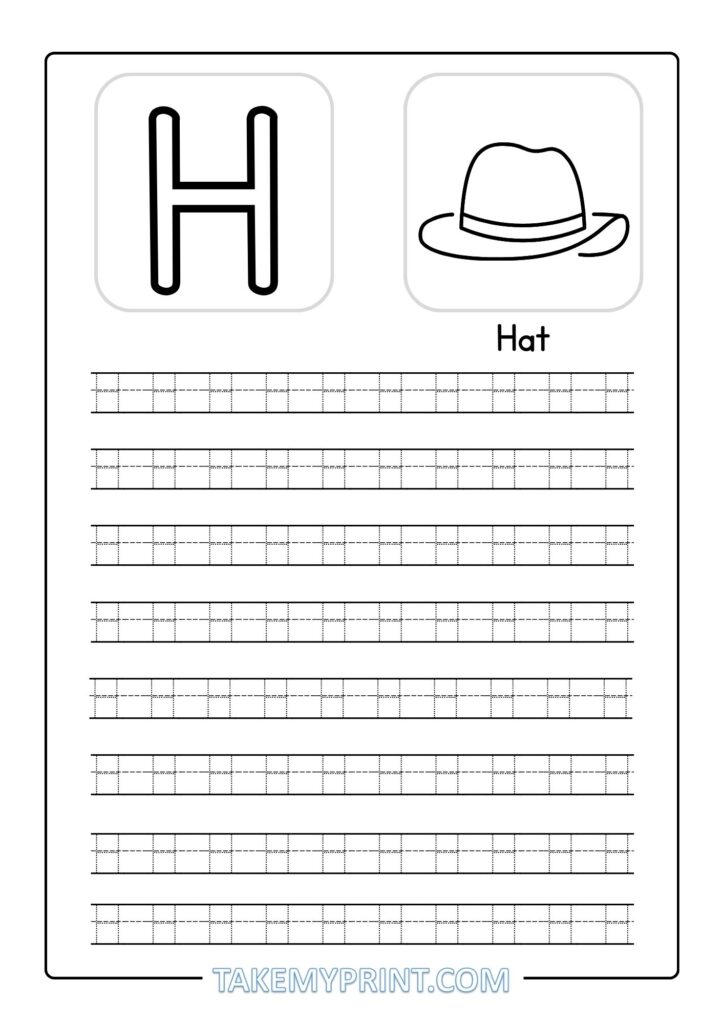
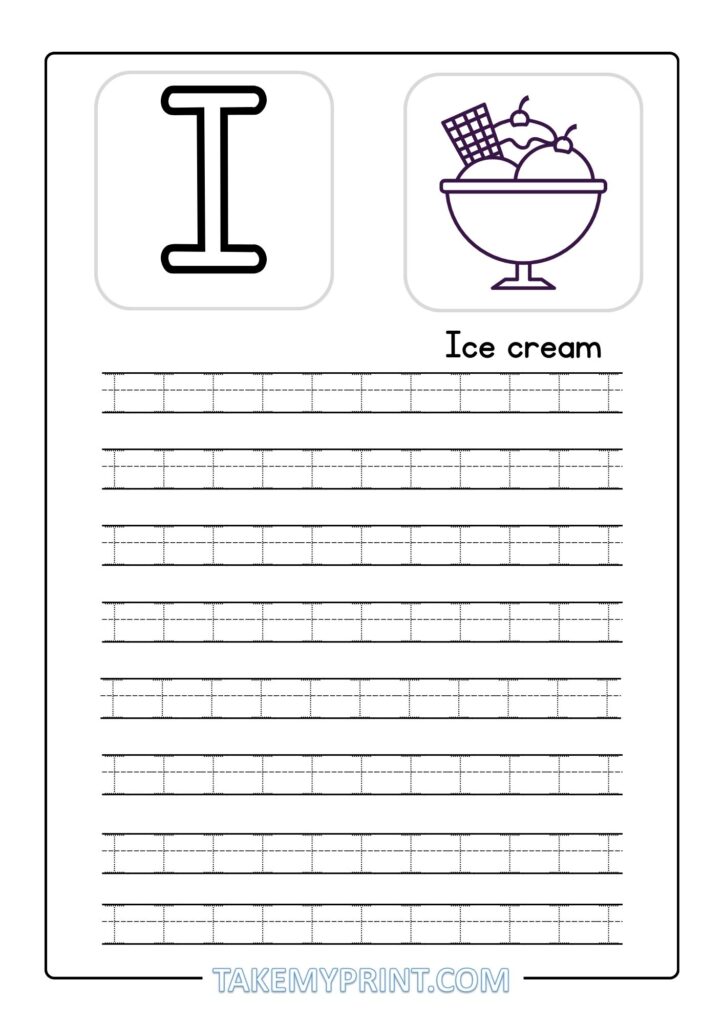
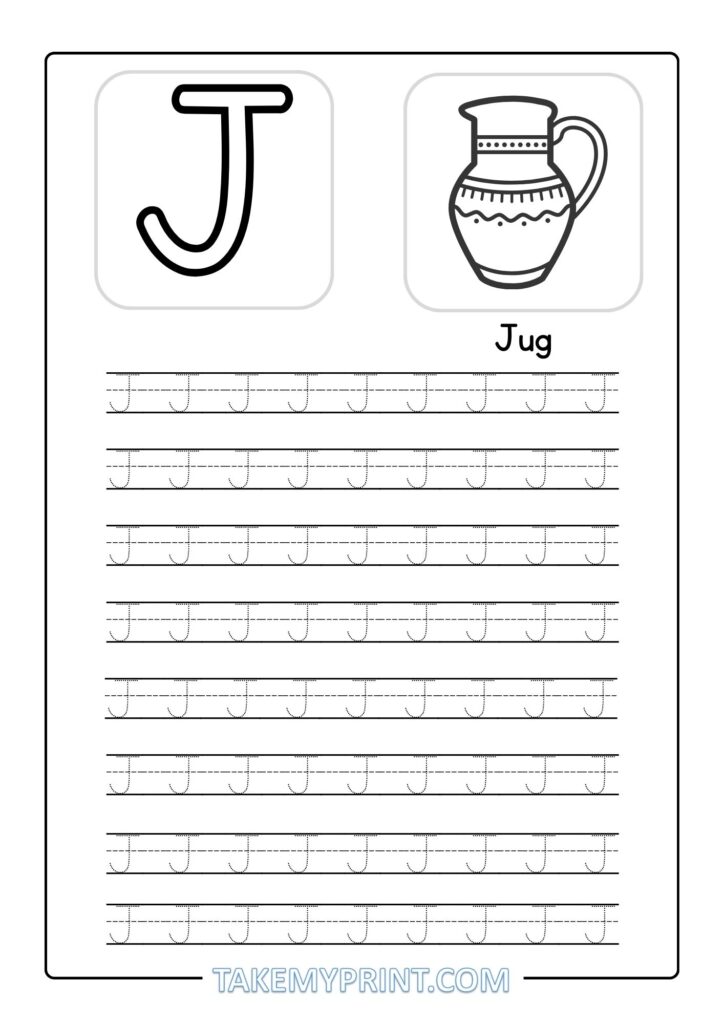
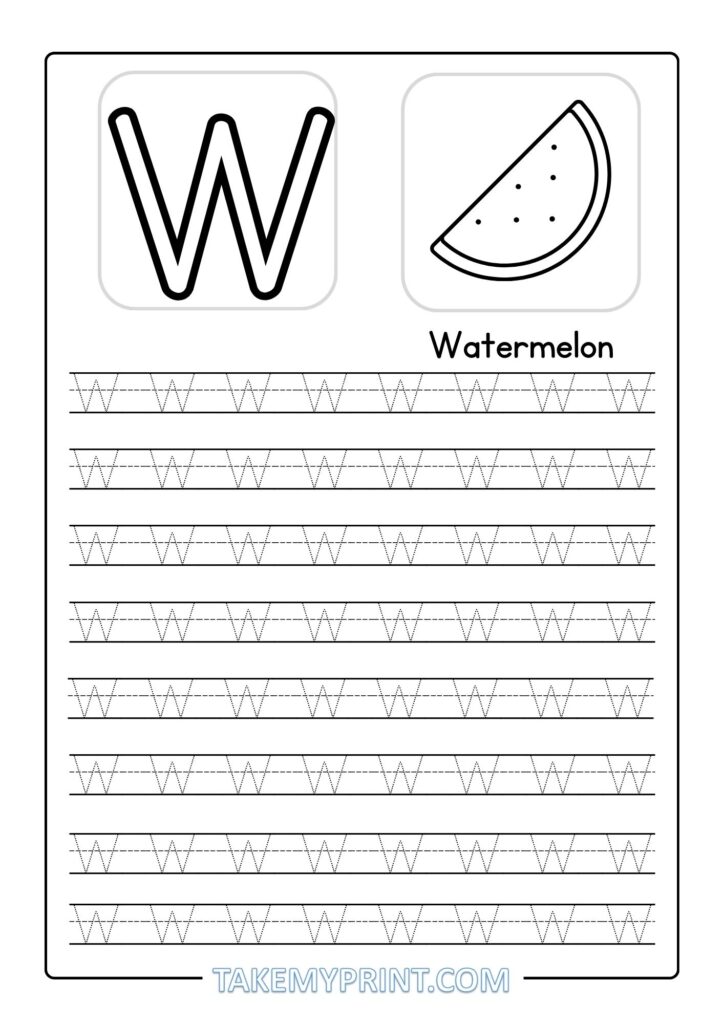
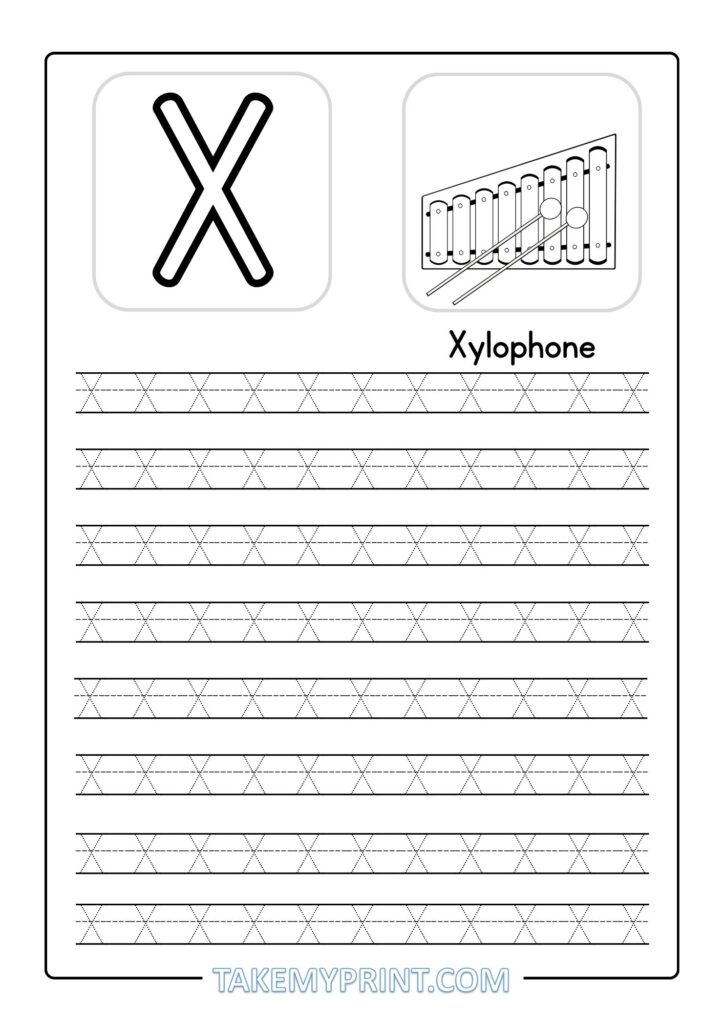
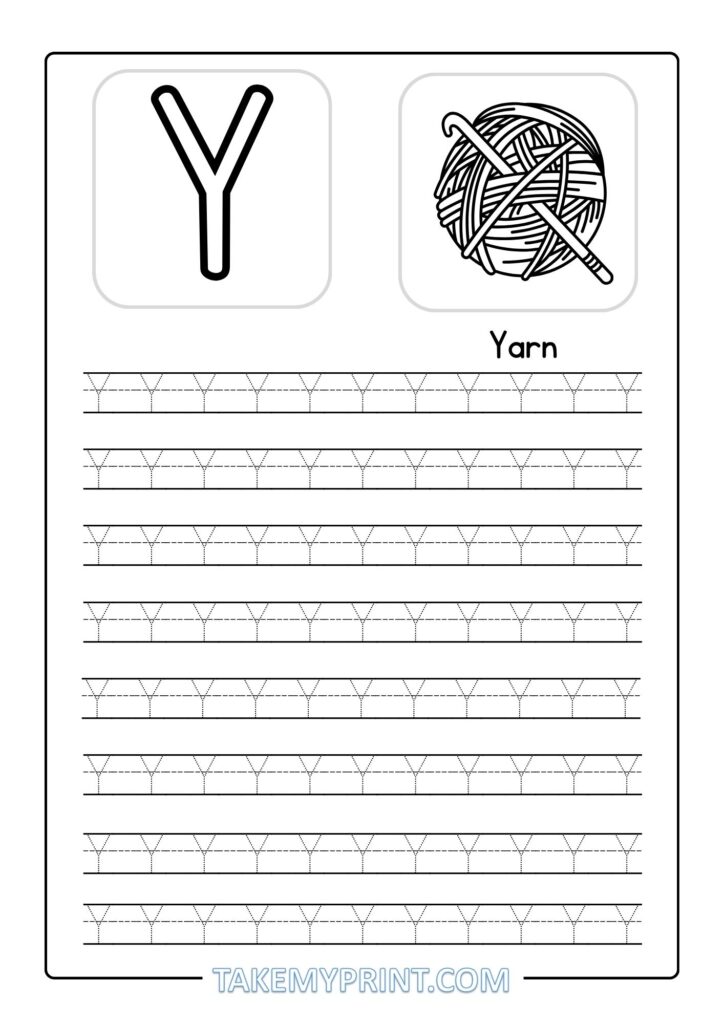
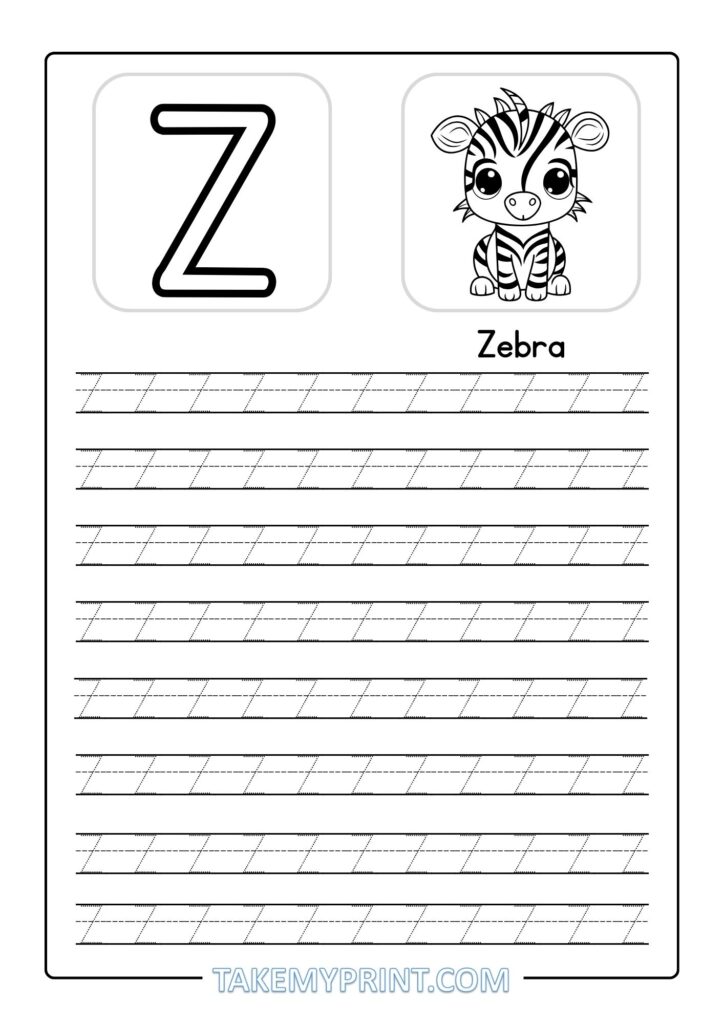
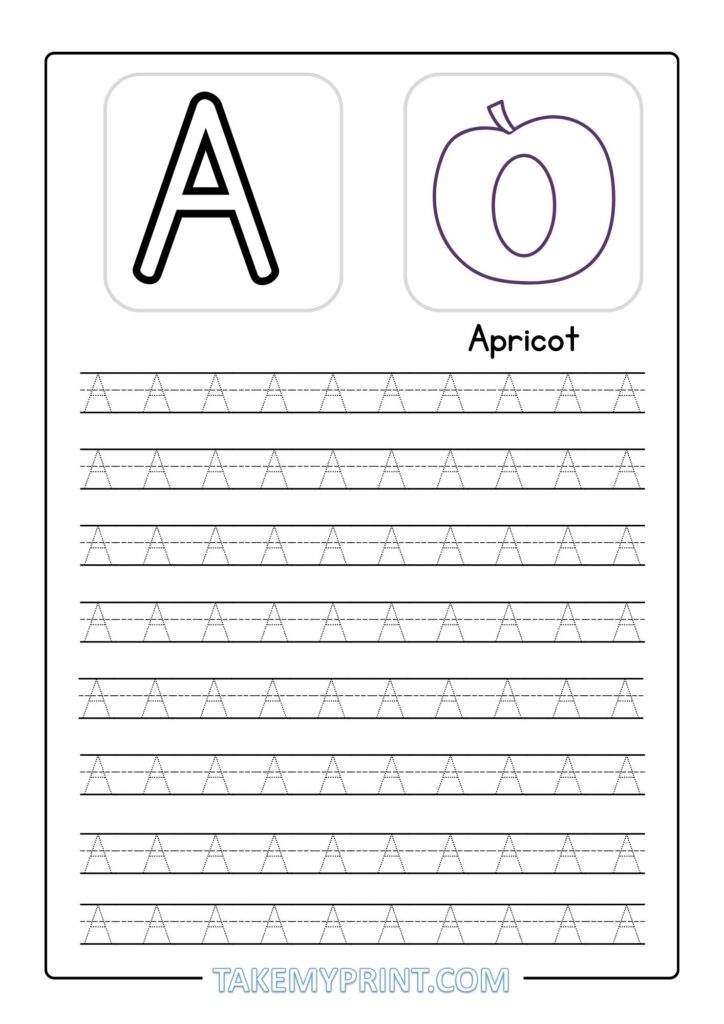
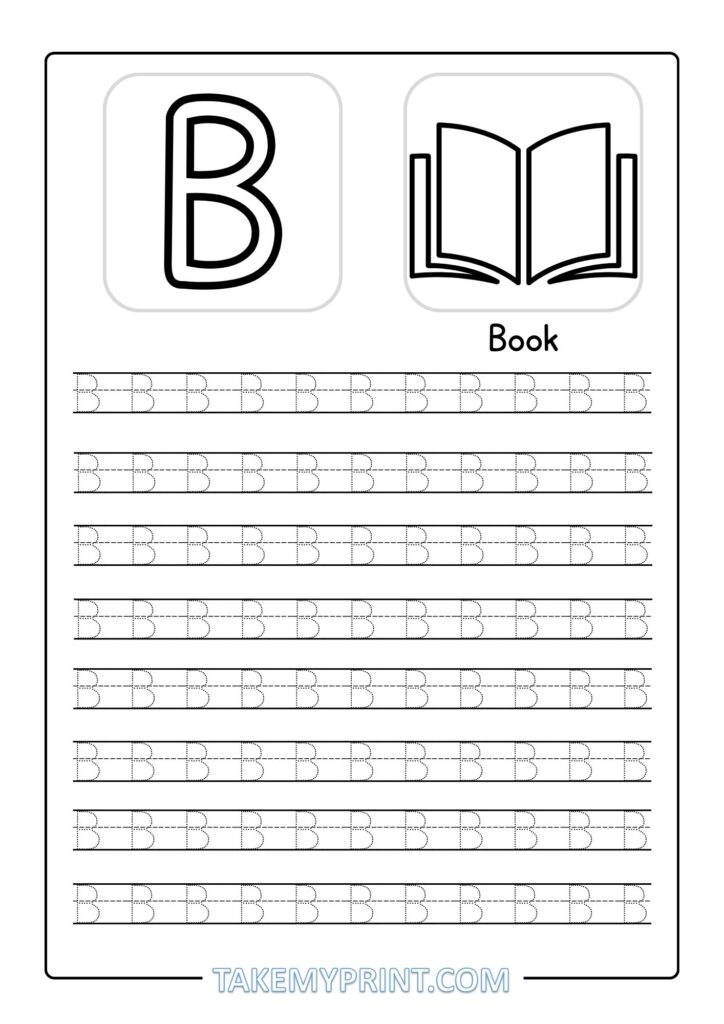
  • Individual Capital Letter Pages (A to Z): Single-letter practice sheets featuring large traceable dotted letters alongside engaging, child-friendly illustrations (like “A” for alligator or “B” for bear).

  • Full Alphabet Capital Summary Sheets (A–Z): Complete A–Z uppercase overview pages ideal for daily morning warm-ups, progress checks, and quick alphabet reviews.

  • Capital & Lowercase Matching Sets: Practice pages that pair each uppercase letter with its lowercase twin (like “A & a” or “B & b”) to help kids recognize letter partnerships.

  • First Words & Name Tracing Practice: Beginner worksheets that use capital letters for simple word headers, titles, and name-building activities.

Creative Ways to Use Uppercase Tracing Sheets at Home or in Class

Handwriting practice is most effective when it is fun and interactive! Here are four easy, budget-friendly ways parents and educators can transform simple tracing printables into hands-on learning crafts:

  1. Laminate for Reusable Daily Practice:

    Slide your printed uppercase pages into clear plastic sheet protectors or run them through a laminator. Give your child dry-erase markers to trace the capital letters, then wipe them clean with a cloth for unlimited daily practice without wasting paper.

  2. Sensory Tracing with Playdough and Craft Sticks:

    Before using a pencil, have your child roll out playdough “snakes” or lay wooden craft sticks directly over the dotted capital letter outlines. This tactile feedback reinforces letter shapes and stroke sequences through hands-on play.

  3. Try Color-Coded “Rainbow Tracing”:

    Instead of tracing each capital letter just once with a lead pencil, let your child trace over the same dotted line using three or four different colored markers or crayons. This creates a vibrant “rainbow letter” and turns repetitive stroke practice into a fun art project.

  4. Assemble a Personal Capital Alphabet Book:

    Print out the complete series from A to Z, punch holes along the margin, and bind them inside a 3-ring binder or with colorful yarn. Children love flipping through their very own custom alphabet book and tracking their progress over time.

Frequently Asked Questions (FAQs)

Are all uppercase letter tracing sheets on TakeMyPrint 100% free?

Yes! Every single capital letter worksheet on TakeMyPrint is completely free to download, save, and print. You can freely use them for home practice, homeschooling lessons, daycare activities, or classroom printing. Simply select your desired letter, open the high-resolution PDF, and print instantly.

Why do most handwriting programs start with uppercase letters before lowercase?

Uppercase letters are visually distinct, uniform in height, and consist mostly of straight lines and simple angles. This makes them physically easier for toddlers and preschoolers to write compared to lowercase letters, which feature varying line heights, ascenders, descenders, and complex curved loops.