Lowercase Letters Tracing Worksheets!

Welcome to the Lowercase Letter Loft!


Master the art of writing with our Free Printable Lowercase Letter Tracing Worksheets! If your little learner is ready to transition from big “Mama” letters to their smaller “Baby” counterparts, you’ve discovered the ultimate handwriting headquarters. Our collection is expertly designed to turn letter formation into a smooth, successful, and stress-free experience.


Why Our Lowercase Tracing Pages are a Classroom Favorite:


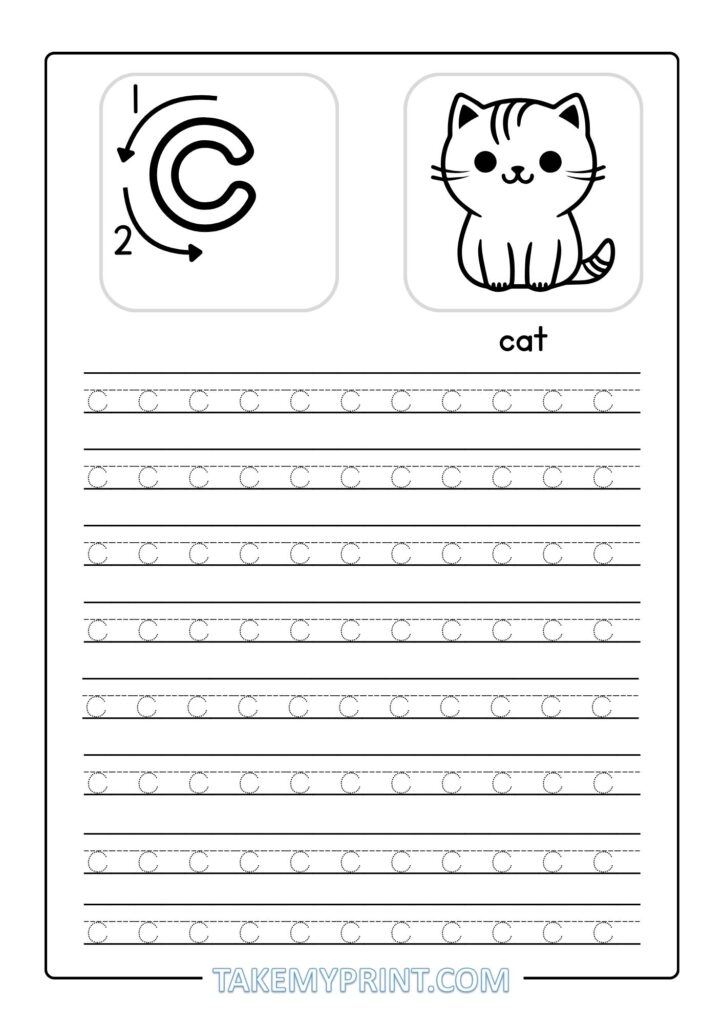
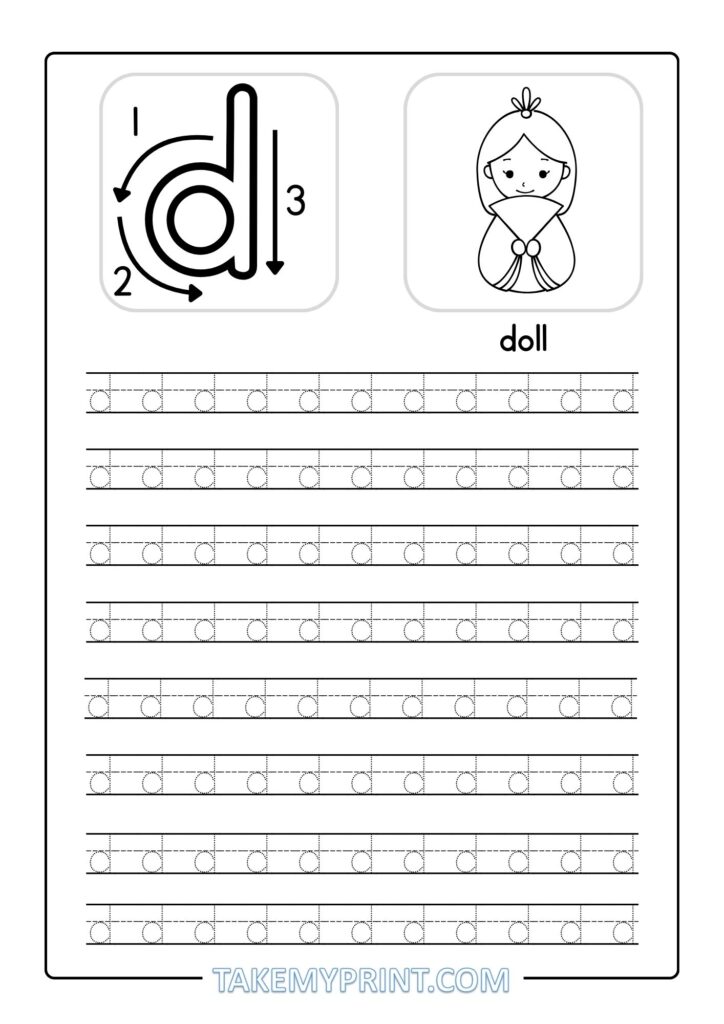
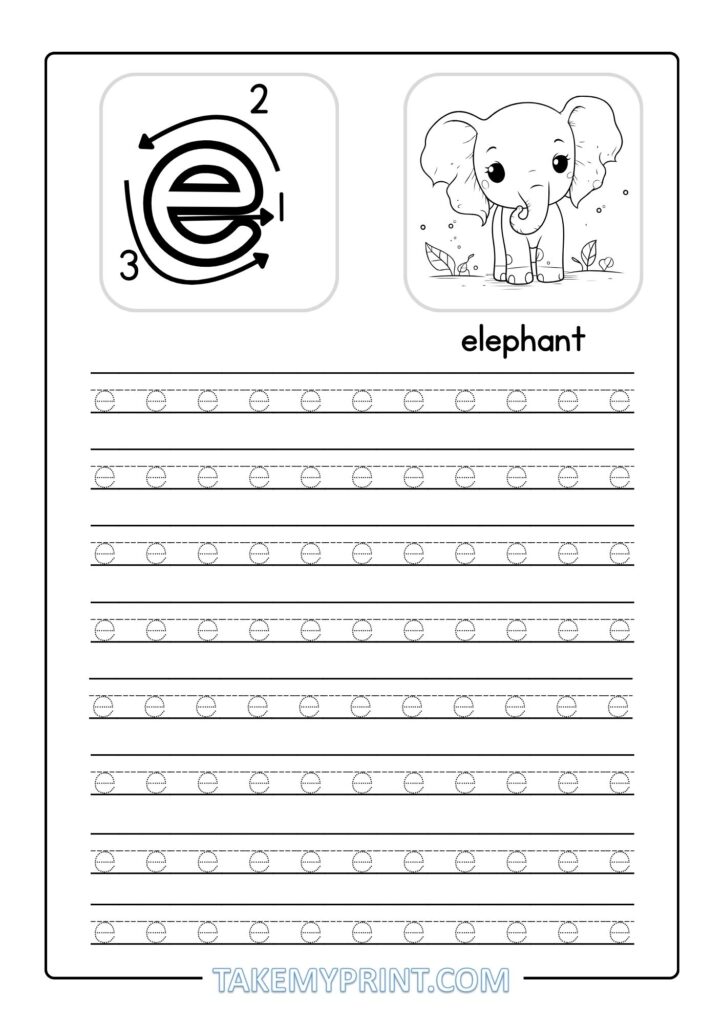
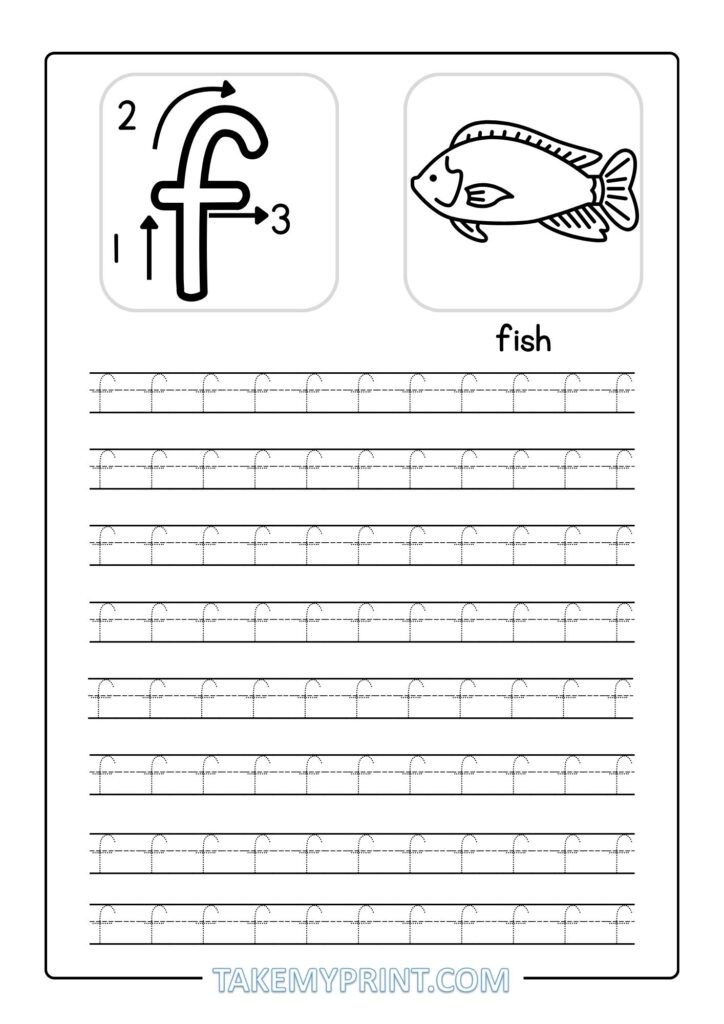
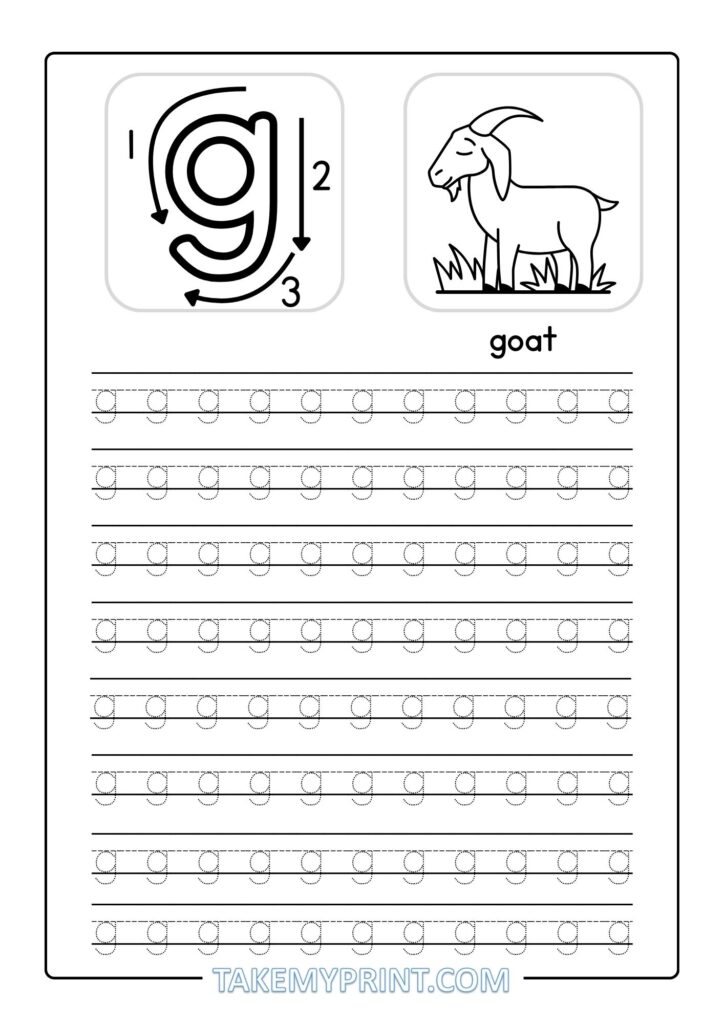
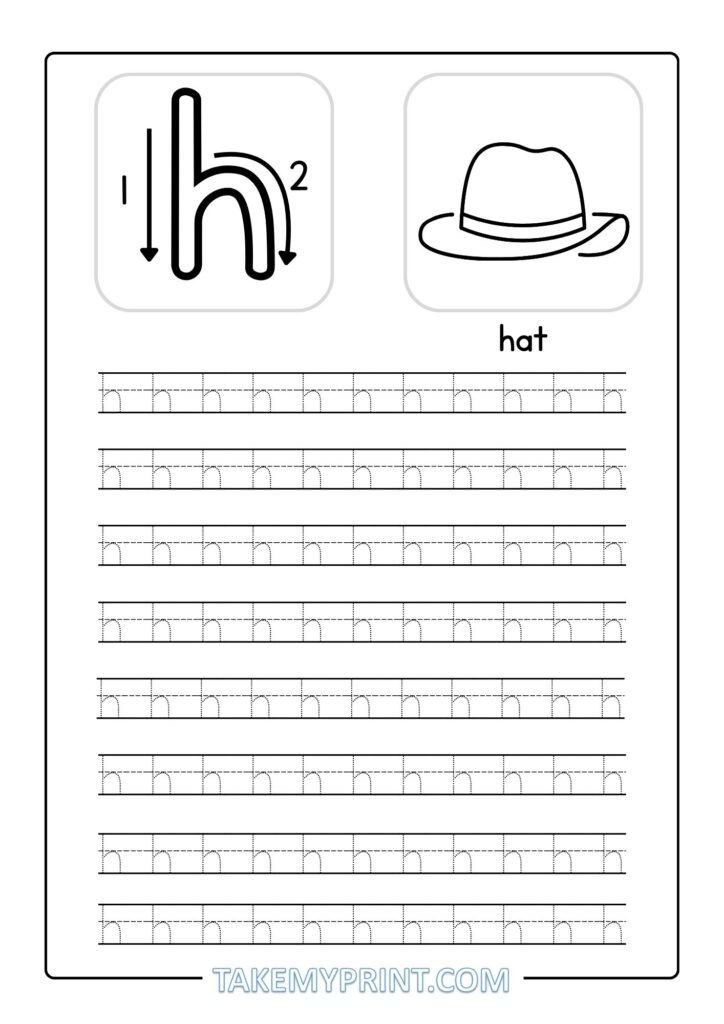
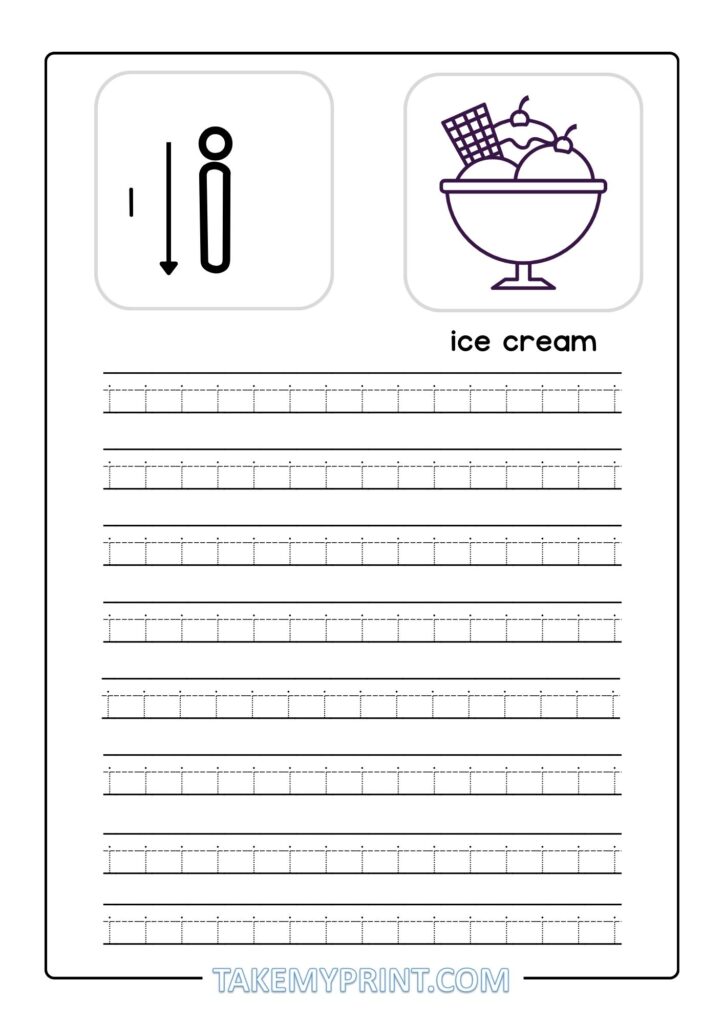
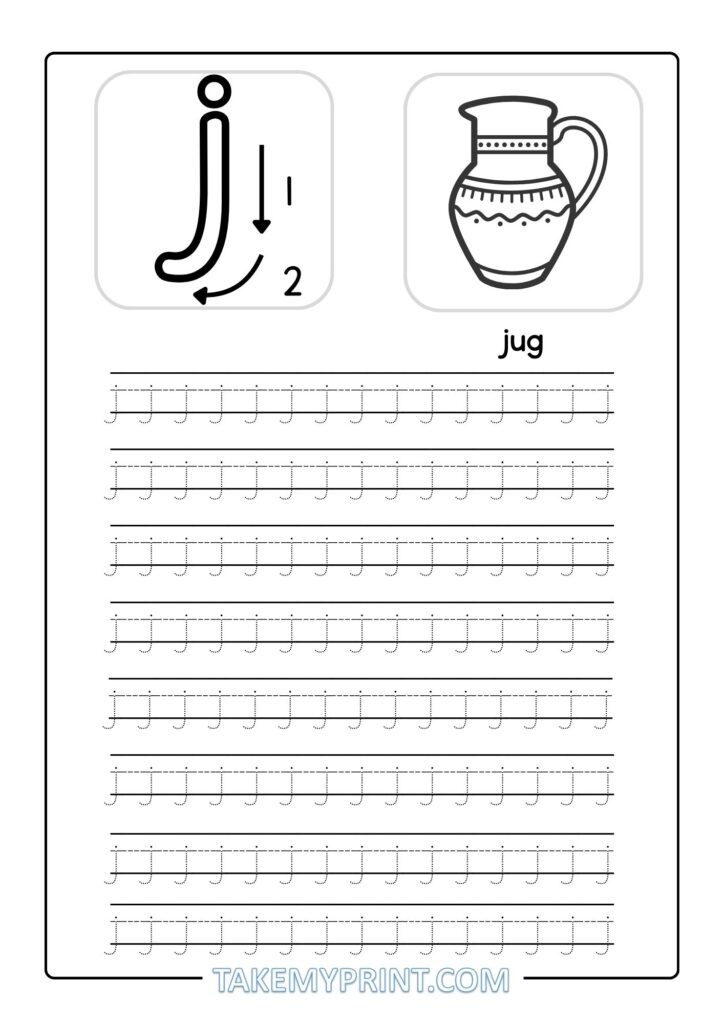
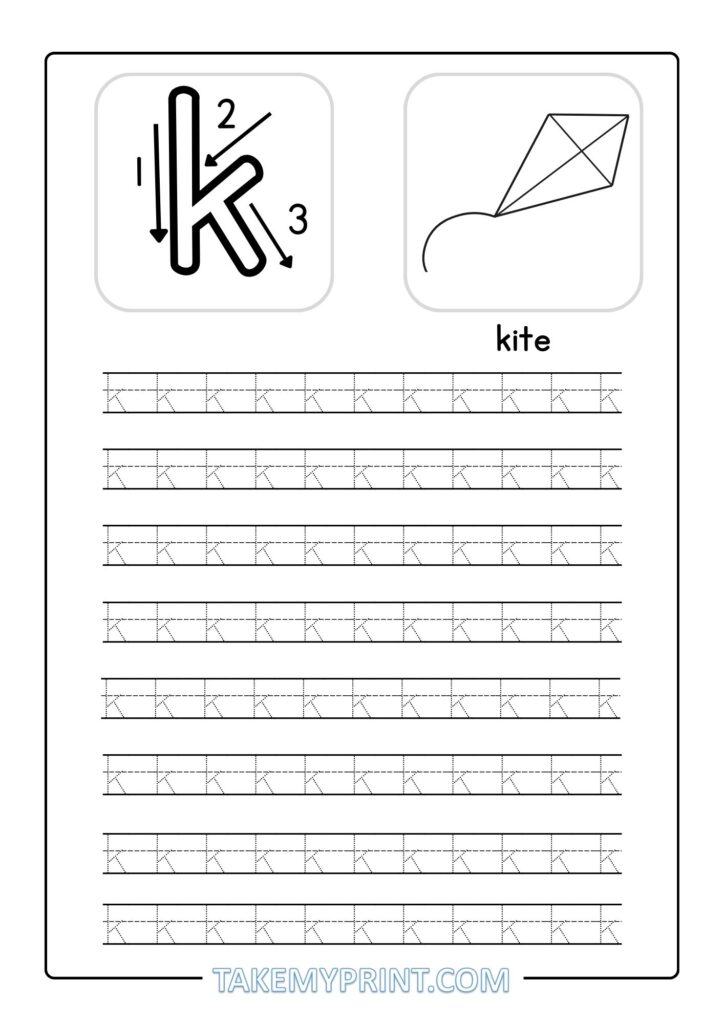
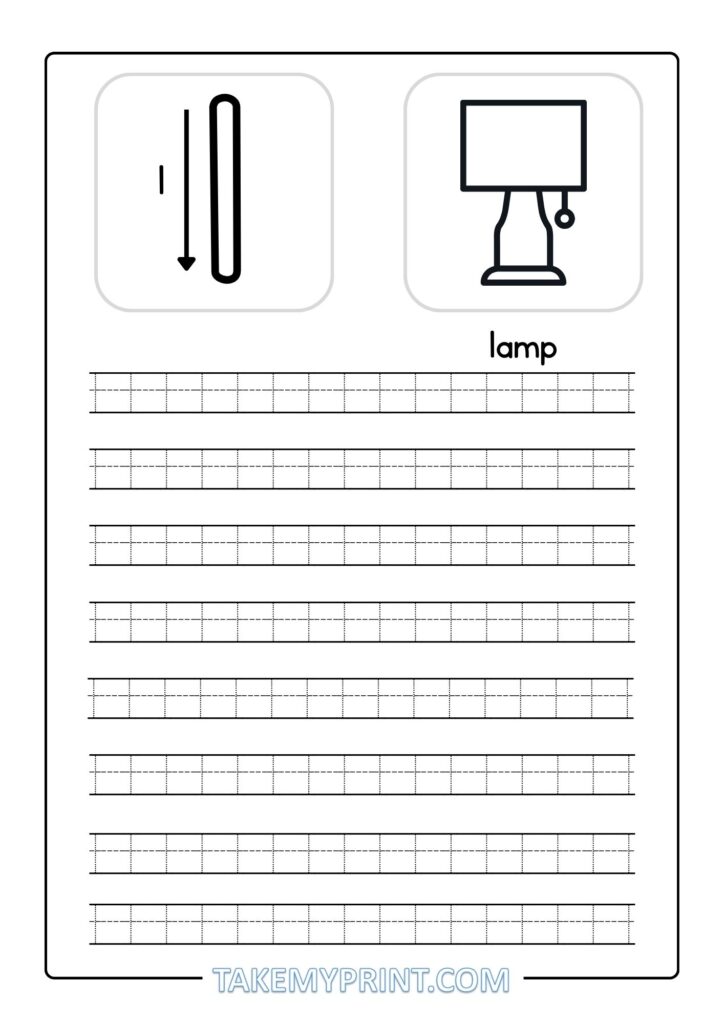
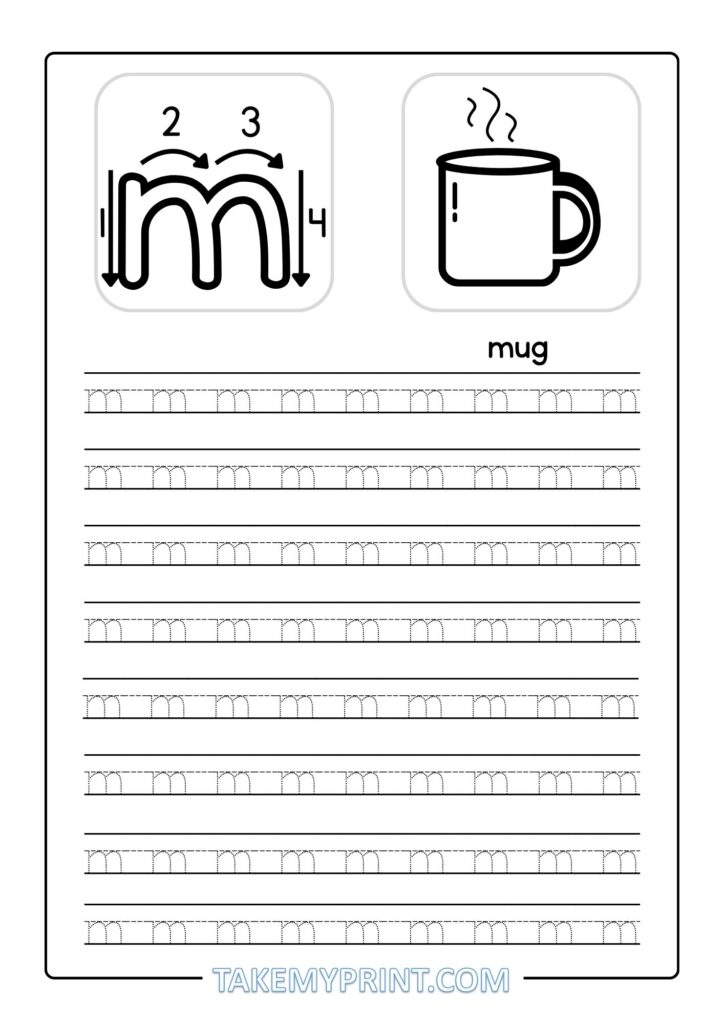
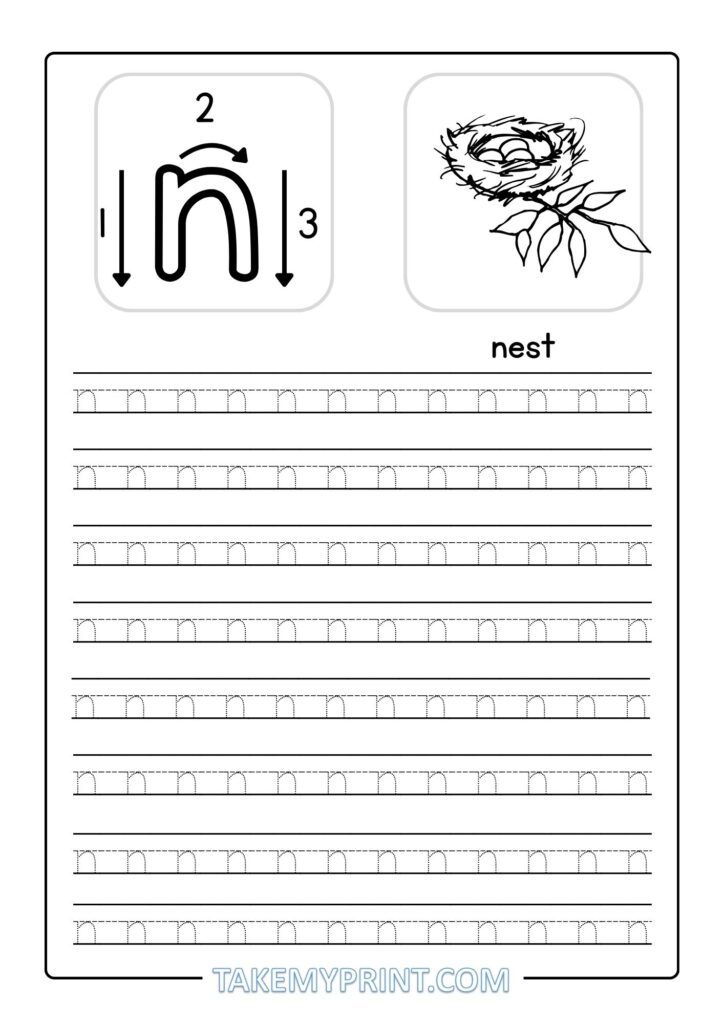
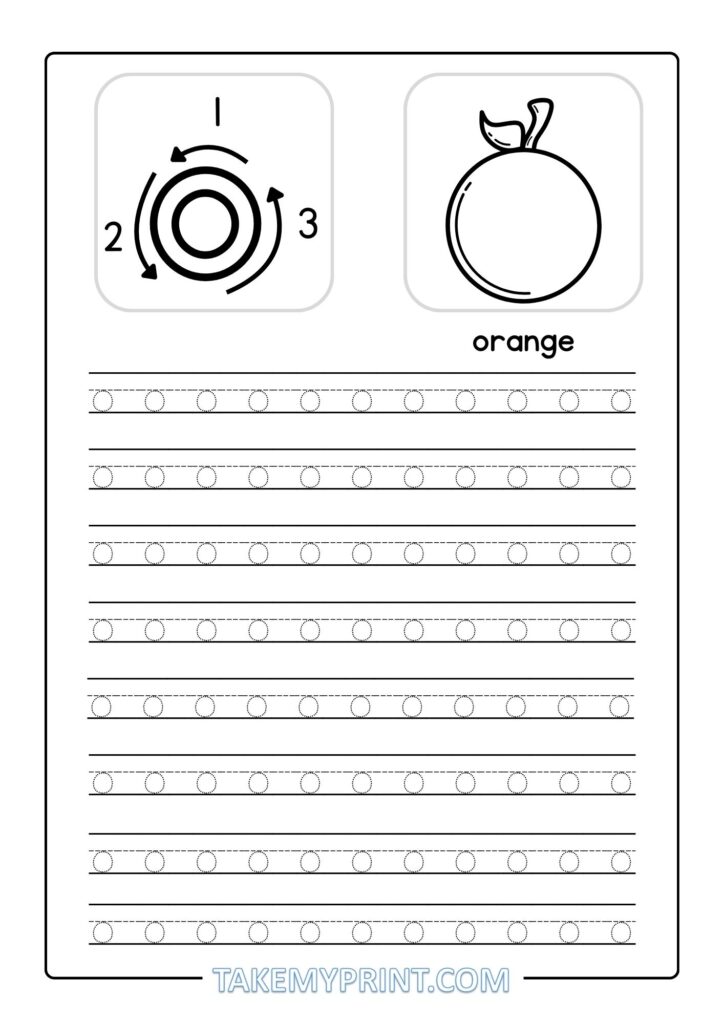
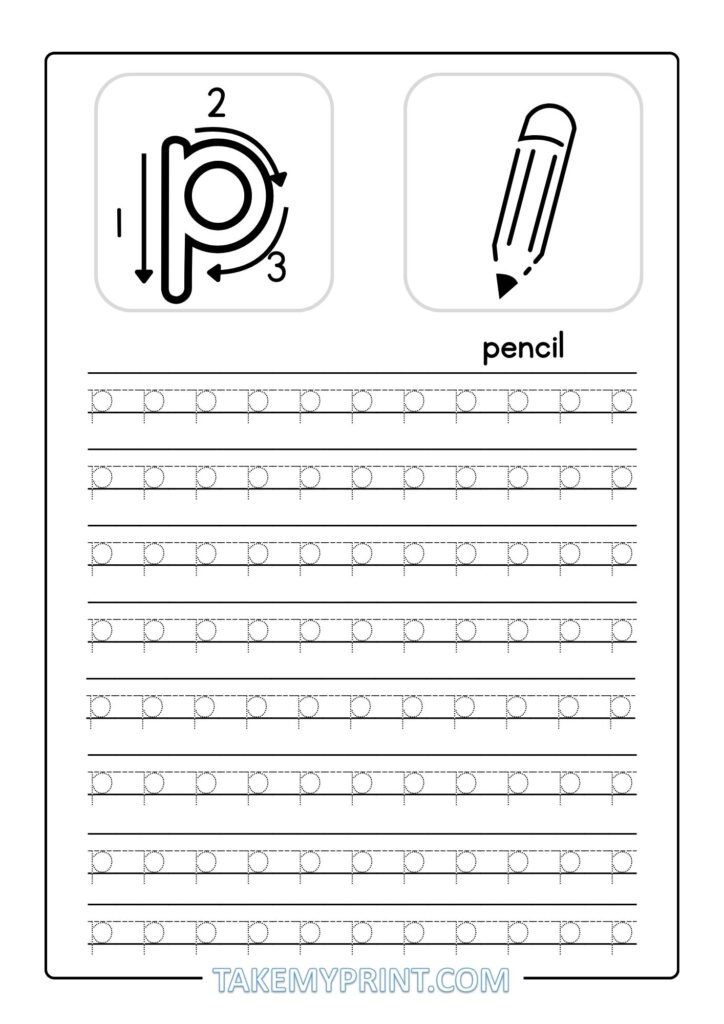
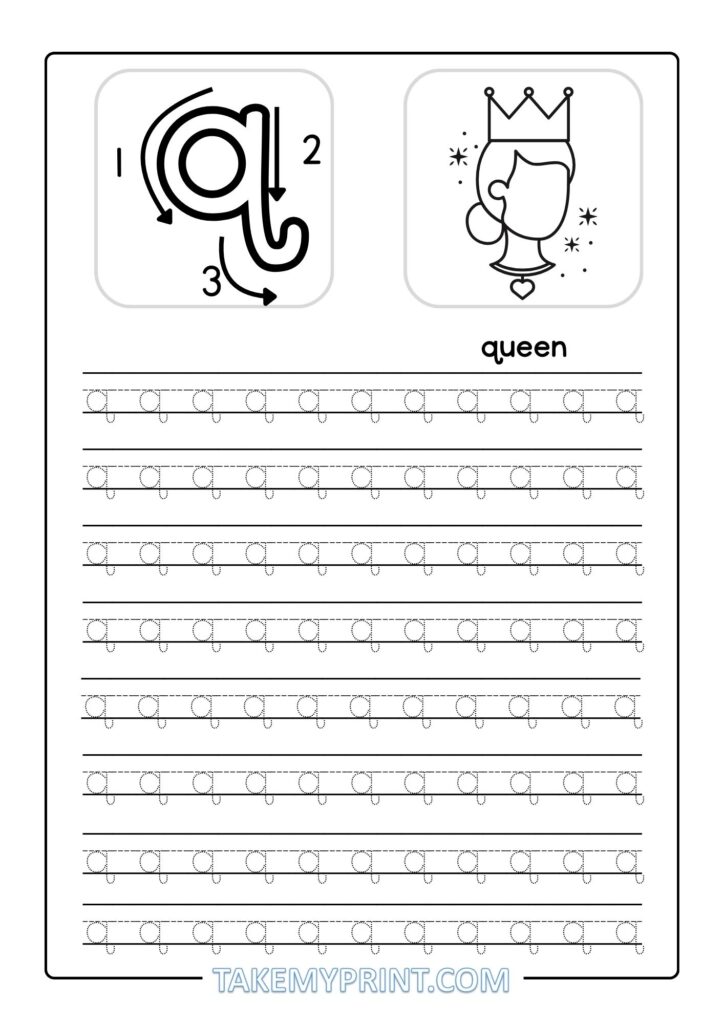
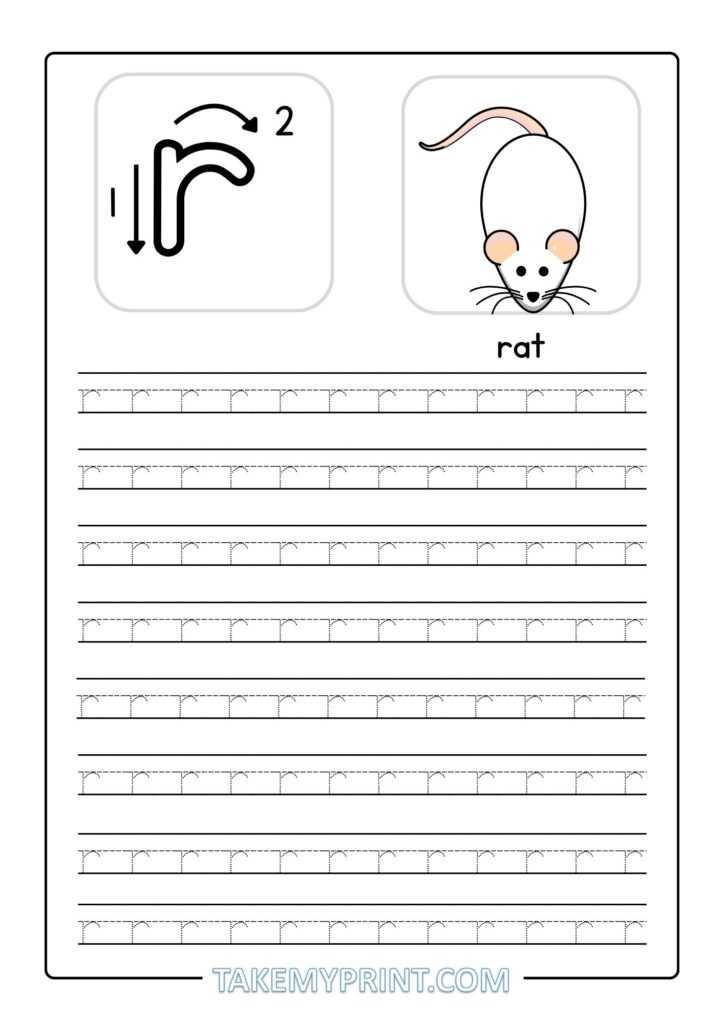
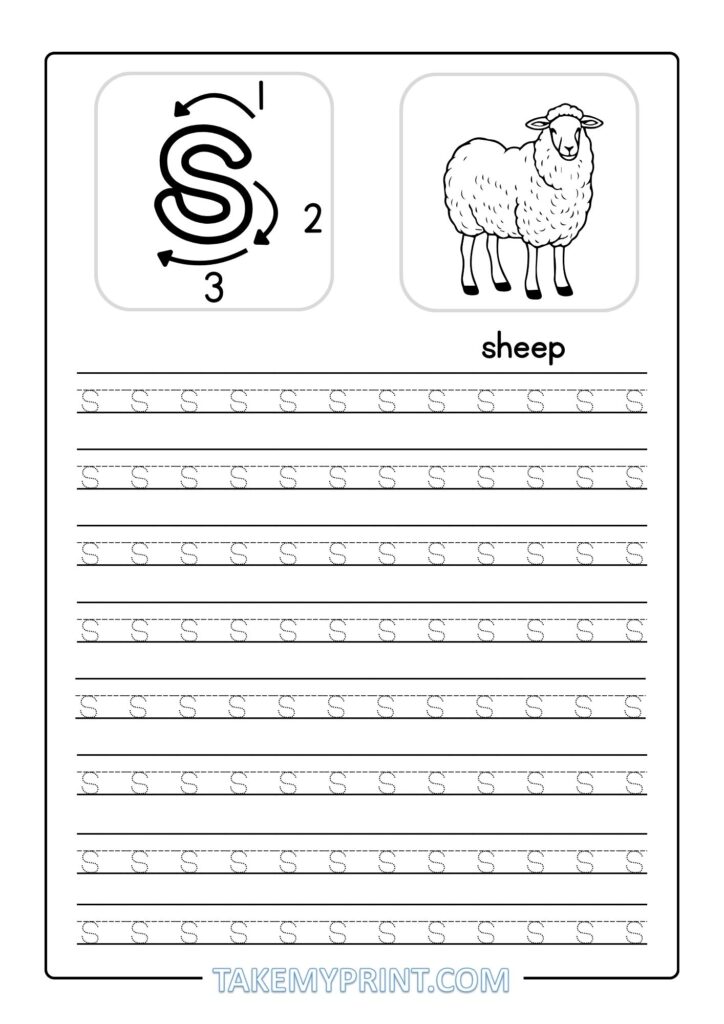
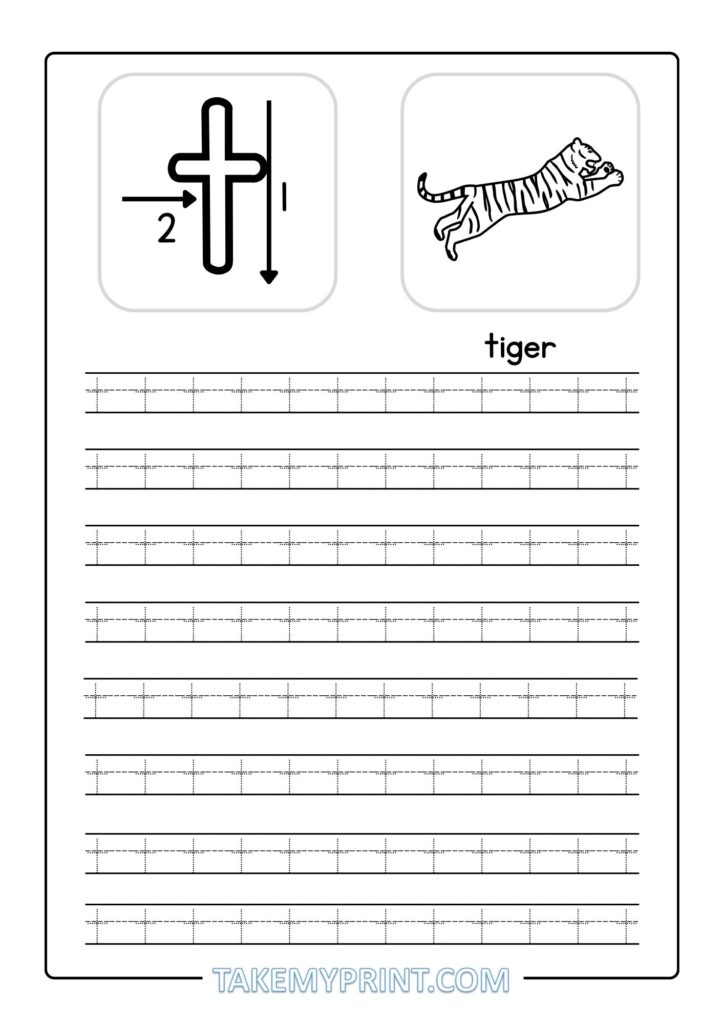
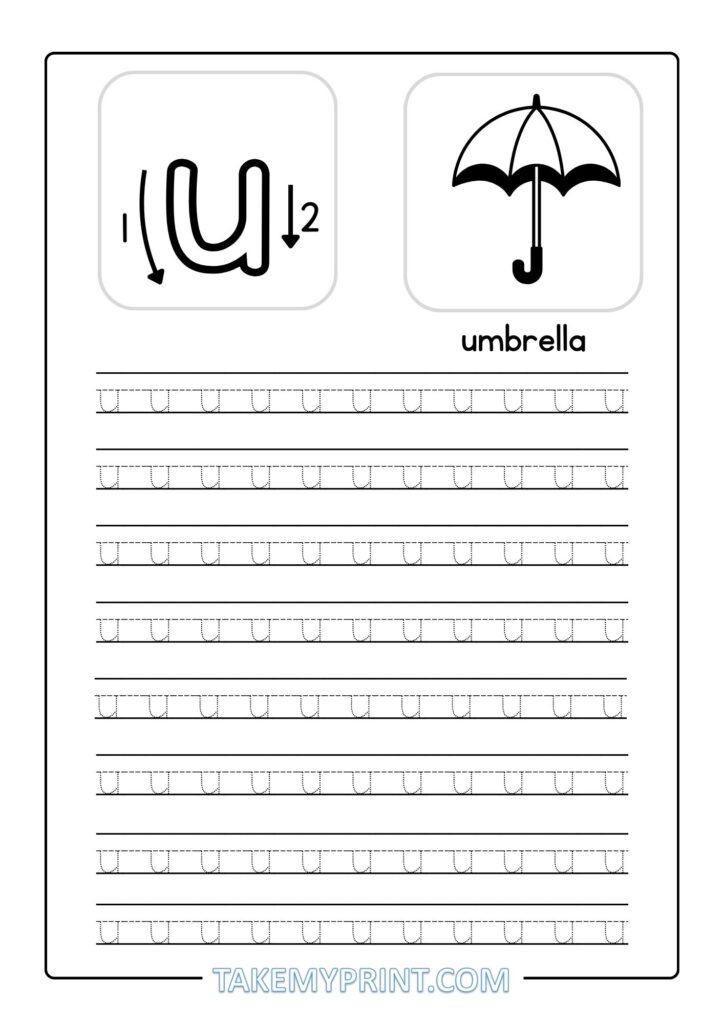
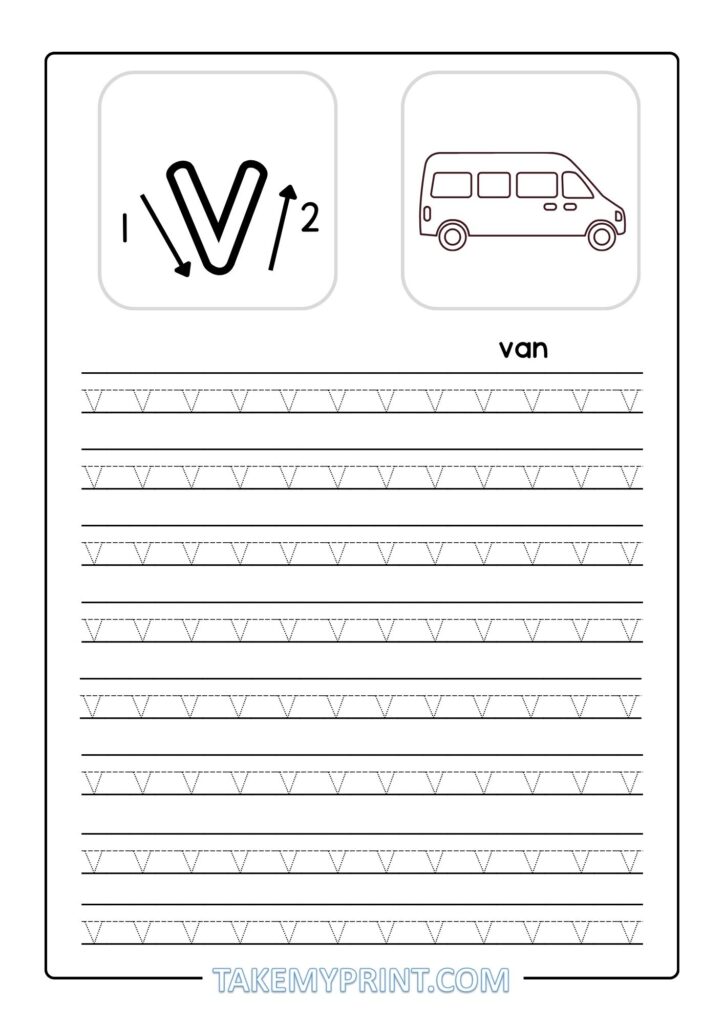
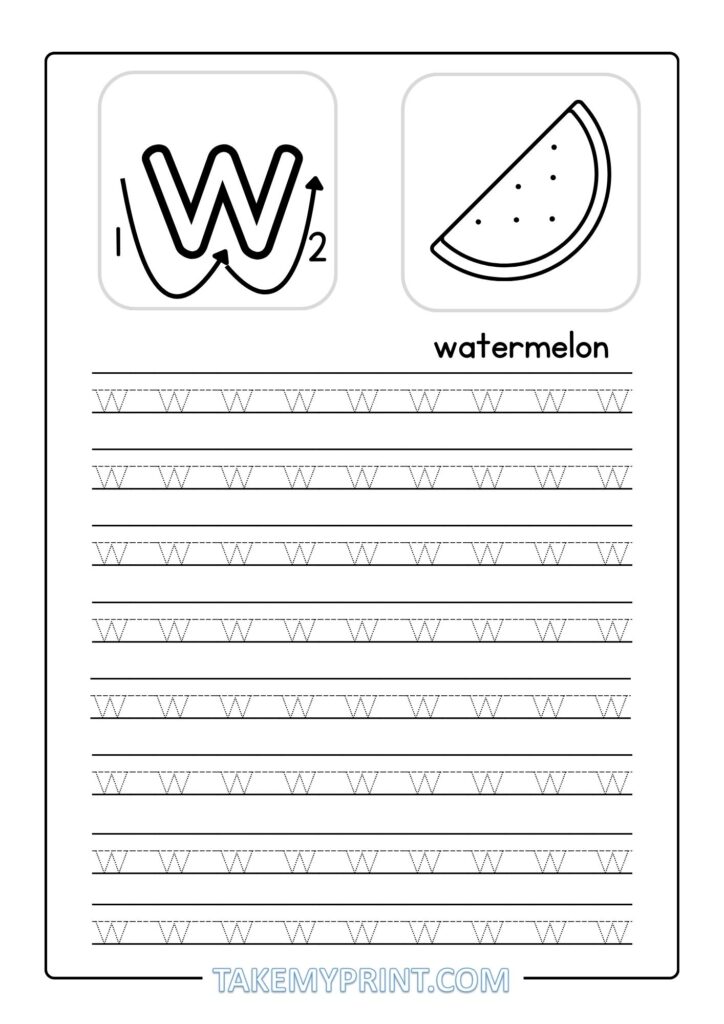
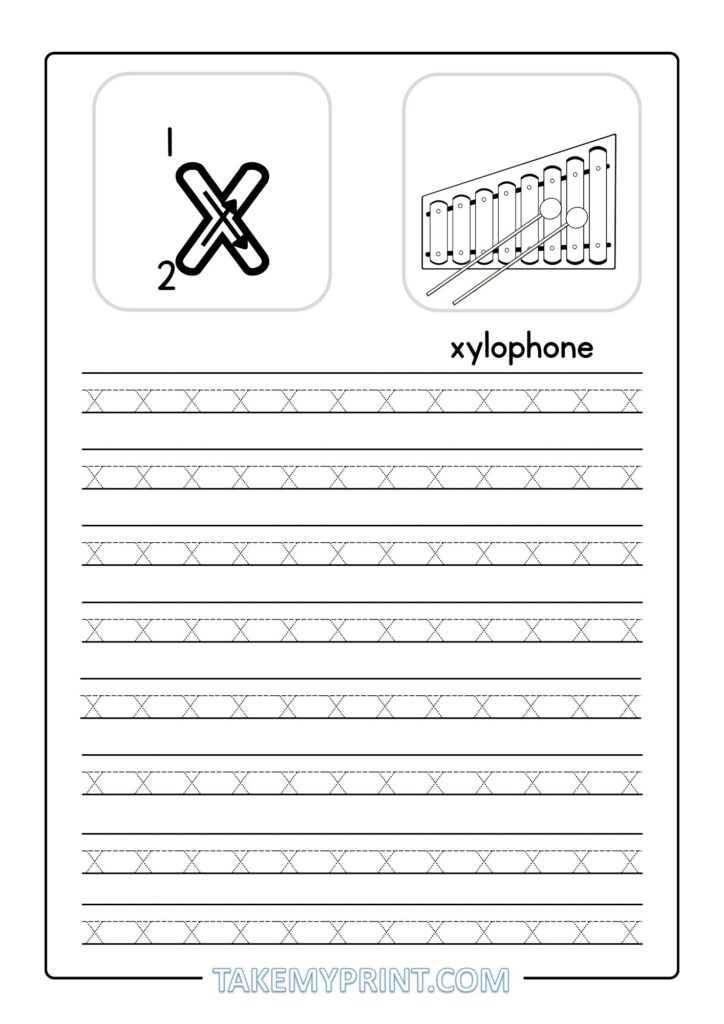
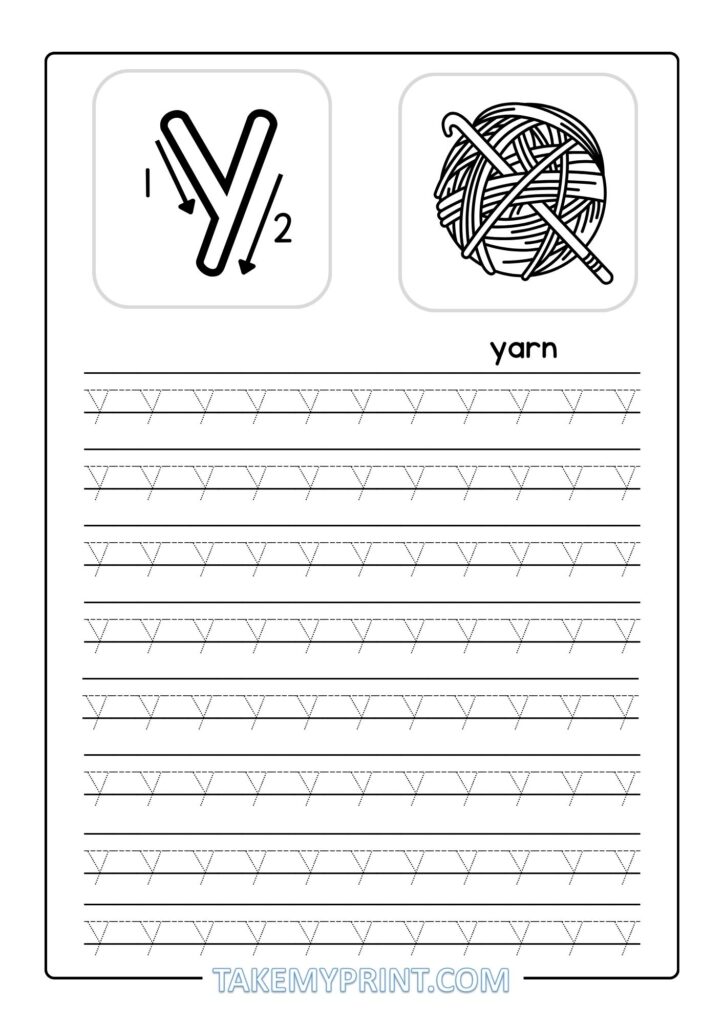
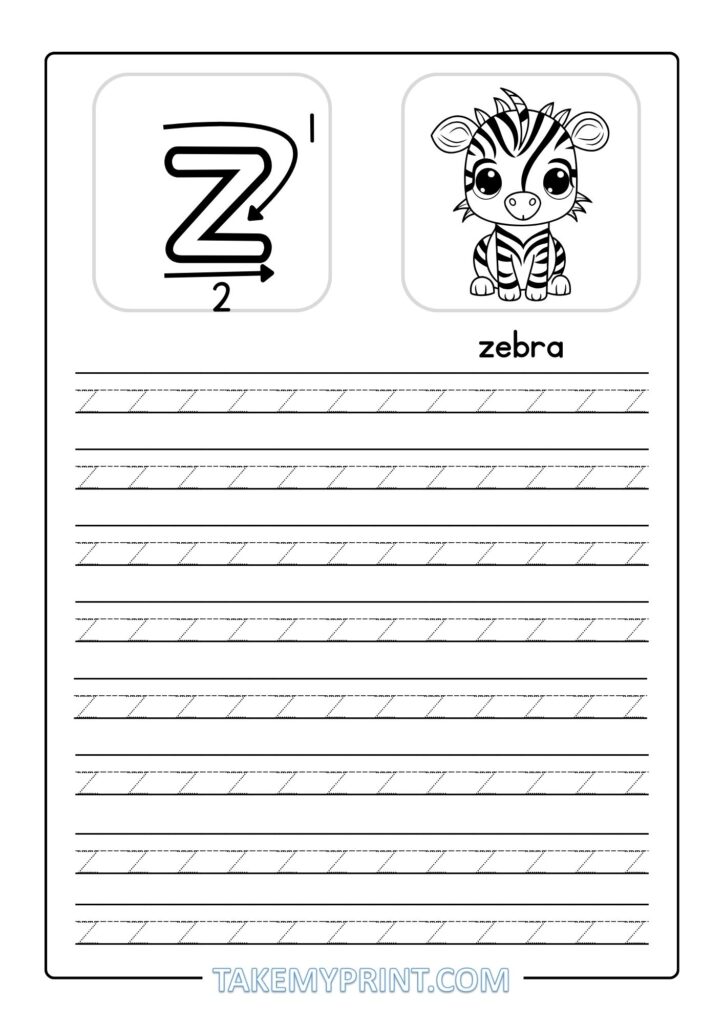
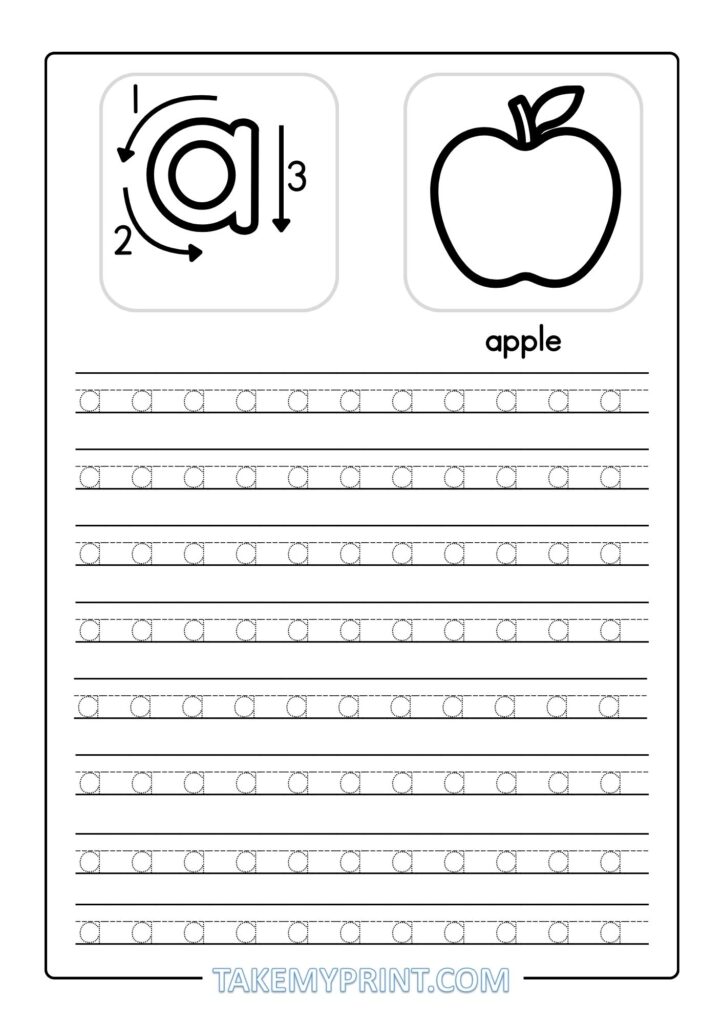
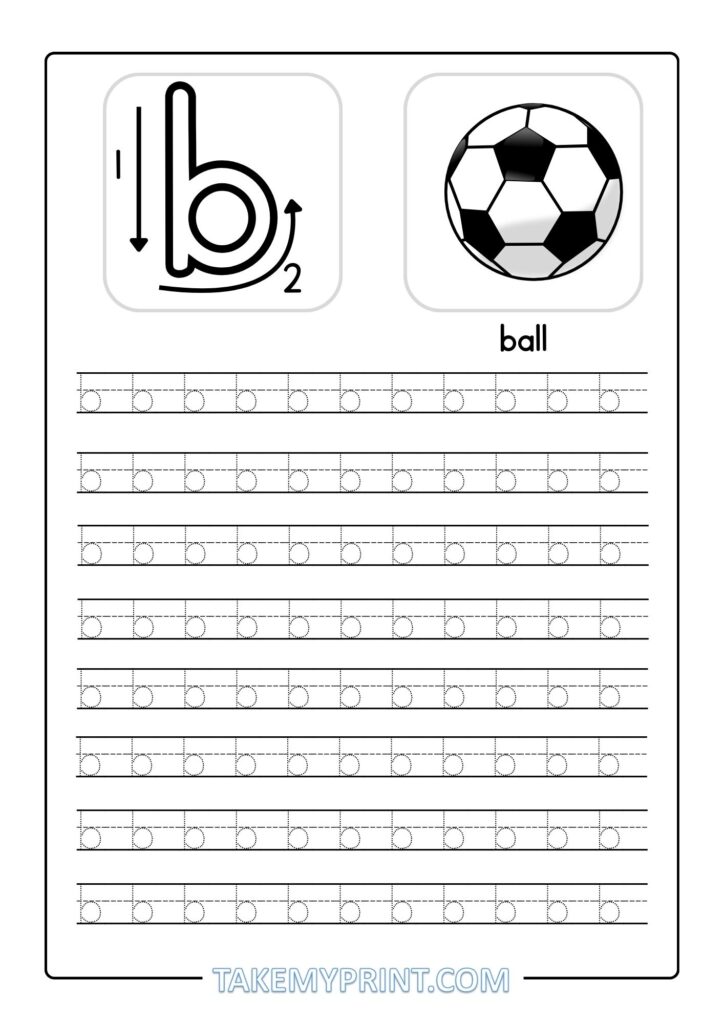
  • Precision and Pathing: Each worksheet features directional arrows and dotted lines to teach children the correct stroke order for every letter from $a$ to $z$.

  • Fine Motor Mastery: Tracing small curves and loops is the best way to build the finger strength and pencil control needed for fluent writing.

  • Literacy Foundations: Recognizing and writing small letters is a critical milestone for reading sentences and developing early phonics skills.

  • Instant Access PDFs: Whether for a kindergarten writing center, homeschooling curriculum, or extra after-school practice, our no-prep printables are ready to go in seconds.

Free Printable Lowercase Letter Tracing Sheets: Easy a–z Handwriting Practice

Welcome to the lowercase letter tracing collection at TakeMyPrint! If you are looking for clear, structured, and easy-to-use handwriting worksheets for toddlers, preschoolers, and kindergarteners, you are in the right spot. Learning how to write lowercase letters is a fundamental step in early literacy, as lowercase characters make up over 90% of written text in books, sentences, and everyday reading. We designed our entire library of downloadable PDFs to make mastering lowercase letters simple, engaging, and stress-free.

Whether your child is taking their first steps in pencil control or practicing the tricky curves of letters like “g,” “q,” and “p,” our printables give parents, homeschoolers, and teachers a reliable resource. Every page features clear dotted paths, starting points, and clean layouts so little hands can build writing confidence without feeling overwhelmed.

Why Lowercase Letter Tracing is Vital for Early Writing Skills

To a young child, guiding a pencil along dotted lines feels like a fun challenge. But behind the scenes, tracing lowercase letters provides essential physical and cognitive practice necessary for fluent writing and reading. Here is why consistent lowercase letter tracing plays such a pivotal role in early childhood growth:

1. Mastering Letter Proportions and Line Boundaries

Unlike uppercase letters, which are uniform in height, lowercase letters have varying heights and tail orientations. Some letters stay within the middle lines (like “a,” “c,” “e”), others reach high up (like “b,” “d,” “h”), and some fall below the baseline (like “g,” “p,” “y”). Tracing guided dotted lines helps young writers understand these spatial proportions, teaching them how to organize letters correctly on lined paper.

2. Building Fine Motor Strength and Pencil Control

Writing small, curved shapes requires much tighter muscle control than drawing large straight lines. Tracing along dotted lowercase strokes forces children to refine the small muscle groups in their fingers, hands, and wrists. Over time, this repetitive practice builds the finger dexterity and hand endurance needed to write smoothly without tiring easily.

3. Strengthening Letter Recognition and Phoneme Association

Physical movement reinforces mental memory. As children physically trace the loop of a “b” or the tail of a “y,” they form a stronger memory connection with that letter’s shape and sound. Pairing handwriting practice with letter phonics helps kids transition faster from basic letter tracing to reading sight words and early spelling exercises.

4. Transitioning to a Natural Three-Finger Grip

Tracing simple dotted letters gives toddlers and preschoolers a comfortable, low-pressure environment to practice holding a pencil correctly. Moving away from a full-fist grip toward a mature three-finger tripod grip makes pencil movement more fluid, preventing awkward hand strain as handwriting demands increase at school.
Explore Our Collection of Printable Lowercase Sheets

To help you find the exact practice material your child needs, we organized our TakeMyPrint lowercase tracing collection into straightforward categories:

  • Individual Letter Practice (a to z): Dedicated single-letter sheets featuring large traceable dotted letters paired with simple visual illustrations (like “a” for apple or “b” for ball).

  • Full Alphabet Summary Sheets (a–z): Complete lowercase alphabet pages designed for quick daily morning warm-ups, skill assessments, and comprehensive reviews.

  • Tricky Letter Contrast Sets: Practice pages focusing on easily confused letter pairs—such as “b vs. d,” “p vs. q,” and “m vs. n”—to help kids master subtle visual differences.

  • Lowercase Word and Name Building: Easy beginner sheets that connect traced lowercase letters into simple three-letter CVC words (like “cat,” “dog,” “sun”) to bridge writing and reading.

Creative Ways to Use Lowercase Tracing Sheets at Home or in Class

Handwriting practice does not have to feel like a tedious routine! Here are four simple, practical ideas to make lowercase tracing activities more interactive and budget-friendly:

  1. Laminate for Reusable Daily Morning Practice:

    Slide your printed sheets into clear plastic sheet protectors or run them through a laminator. Hand your child dry-erase markers so they can trace the lowercase letters, erase them with a cloth, and practice again tomorrow. This saves paper and provides endless daily practice.

  2. Engage Sensory Learning with Finger Paint and Playdough:

    Before using a pencil, have your child trace the dotted letter paths using their index finger dipped in finger paint or shaving cream. You can also have them roll out playdough “snakes” to shape directly over the traceable letter outlines to build muscle memory through tactile feedback.

  3. Incorporate Color-Coded Rainbow Tracing:

    Instead of tracing a letter just once with a lead pencil, let your child trace over the same letter path multiple times using different bright colored pencils or markers. This “rainbow tracing” method makes repetitive practice visually exciting and reinforces stroke paths.

  4. Build a Custom Handwriting Binder:

    Print out the entire lowercase series from “a” to “z,” punch holes along the side, and place them inside a 3-ring binder. Having a dedicated practice binder allows children to track their own progress and take pride in completing the whole alphabet over time.

Frequently Asked Questions (FAQs)

Are these lowercase tracing sheets completely free to print?

Yes! Every single lowercase letter worksheet on TakeMyPrint is 100% free to access, download, and print. You can freely use them for personal home practice, homeschooling, daycare activities, or classroom lessons. Simply pick your letter, open the high-res PDF, and print instantly.

Should my child learn uppercase or lowercase letters first?

While many kids start by recognizing uppercase letters, learning lowercase letters early is equally crucial because lowercase text makes up the vast majority of everything children read. Combining both—or practicing lowercase letters right after uppercase mastery—helps build a well-rounded foundation for early reading and writing.