TakeMyPrint- Your Go-To for Free Printables.
Welcome to TakeMyPrint, where learning to write is pure joy!
Our free, printable tracing sheets are carefully designed to help toddlers and preschoolers confidently master their numbers, capital letters, and small English letters. With clear directional arrows and spacious guidelines, these high-quality PDFs make it easy for tiny hands to trace from big A to little z, and from 1 all the way to 10!
Perfect for early learners, every playful page builds fine motor skills, pencil control, and screen-free confidence. Just click, print, and watch your little ones transform tracking lines into a lifelong love for learning.

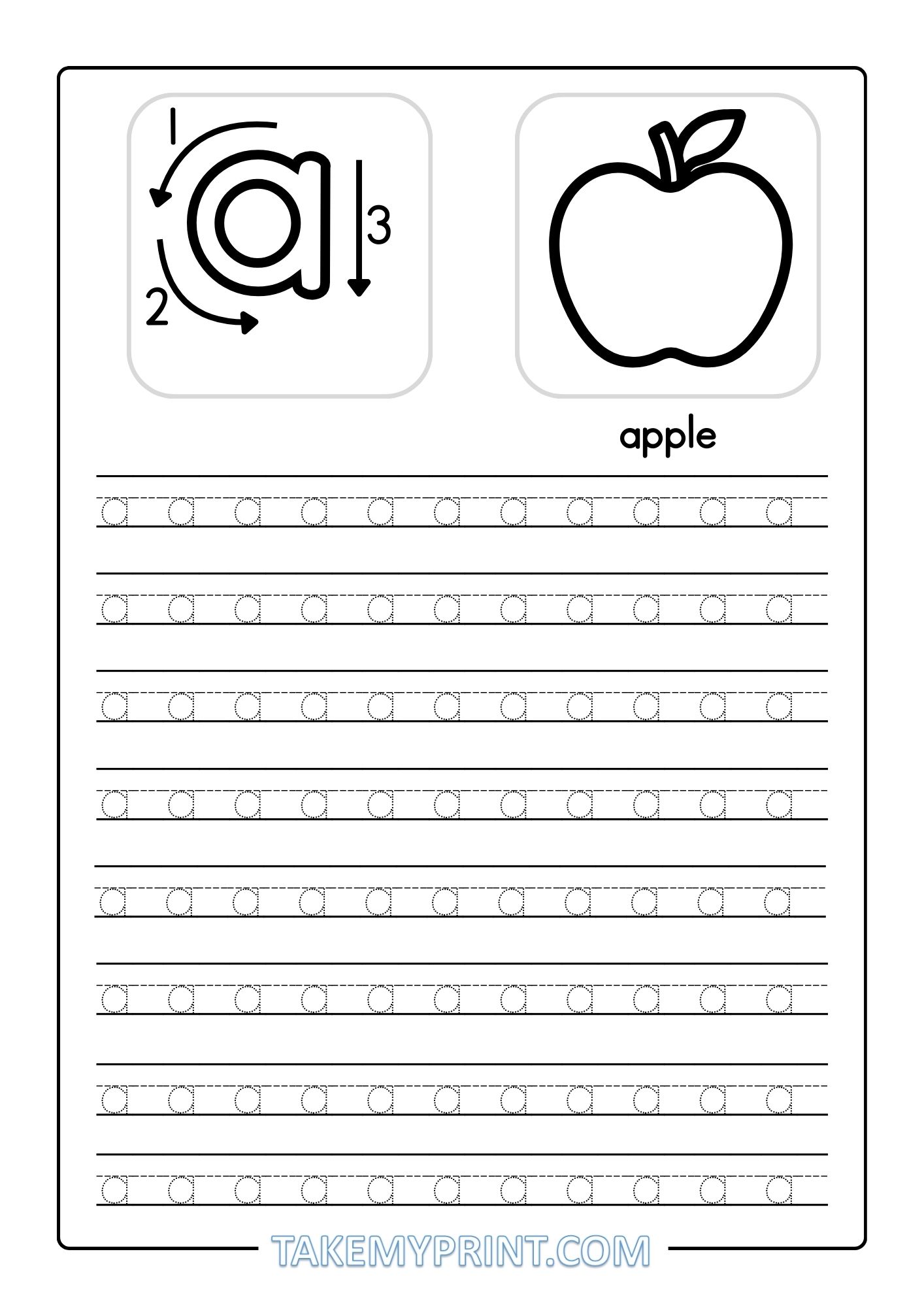
Learn to Write! Lowercase English Letter Tracing Pages: Free & Printable!
Ready to help your child master their ABCs? Our collection of free, printable lowercase English letter tracing pages is the perfect resource for young learners beginning their handwriting journey. Developing strong handwriting skills from an early age sets a fantastic foundation for reading and writing success!
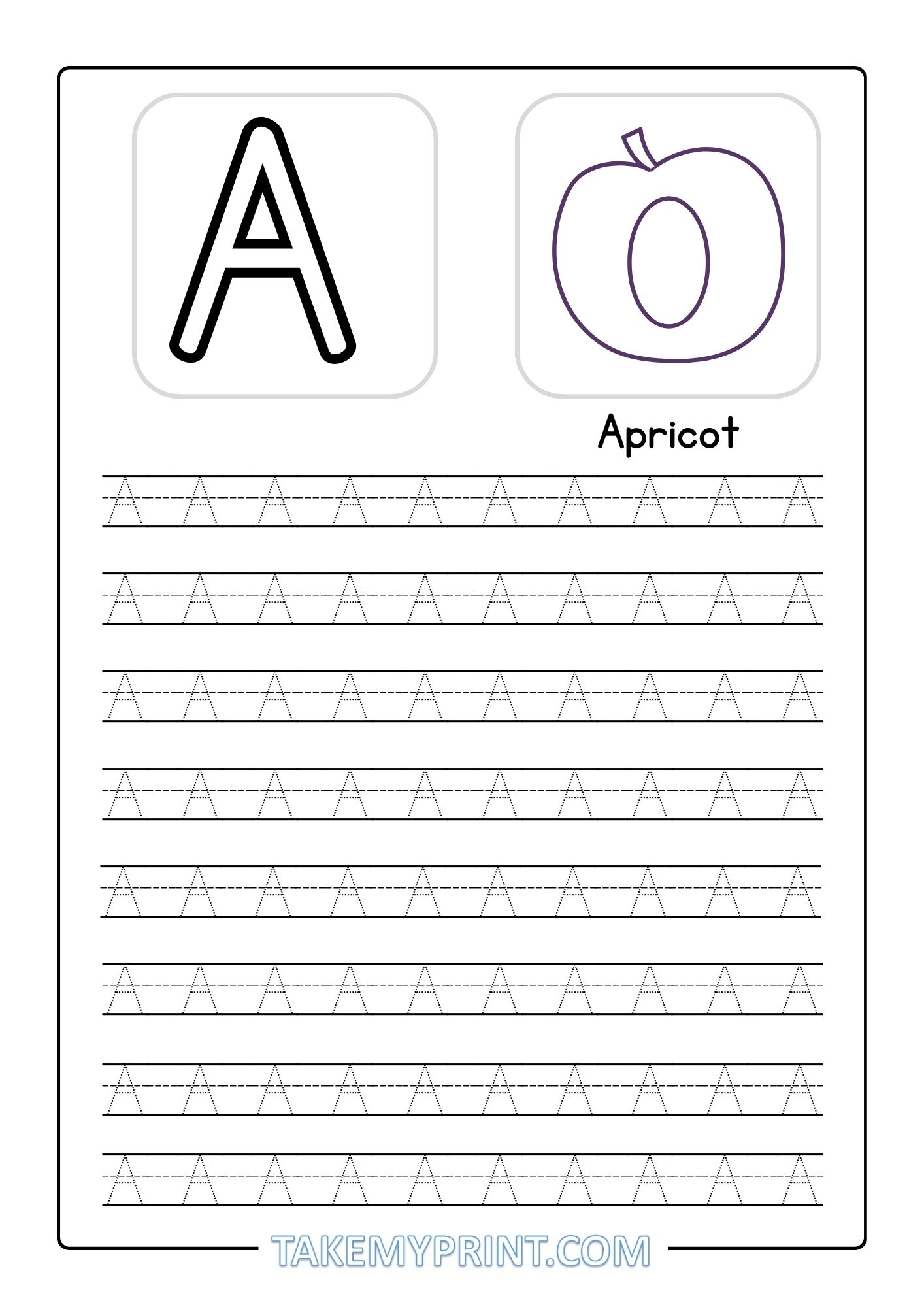
Master the Capitals! Uppercase English Letters Tracing Pages: Free & Printable!
Help your child build a strong foundation in handwriting with our collection of free, printable uppercase English letter tracing pages! Learning to write uppercase letters is a crucial step in early literacy, preparing children for reading, writing their name, and recognizing important words.
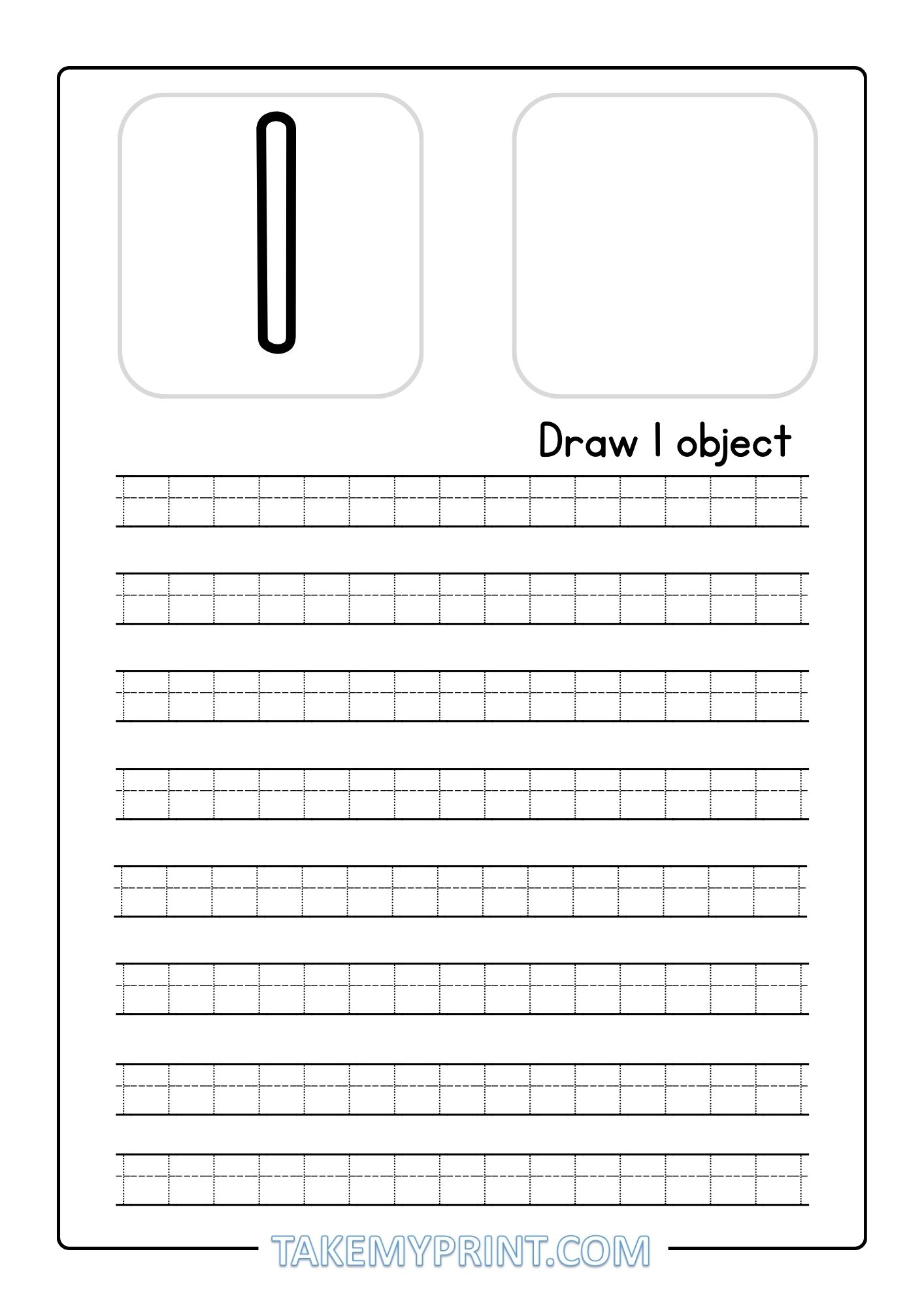
Trace Your Way to Number Fun! Free & Printable Tracing Numbers Sheets!
Help your child build a strong foundation in math with our collection of free, printable tracing numbers sheets! Learning to write and recognize numbers is a crucial step in early education, preparing children for counting, basic arithmetic, and a lifelong understanding of mathematics. Our engaging sheets make practicing number formation easy and fun!
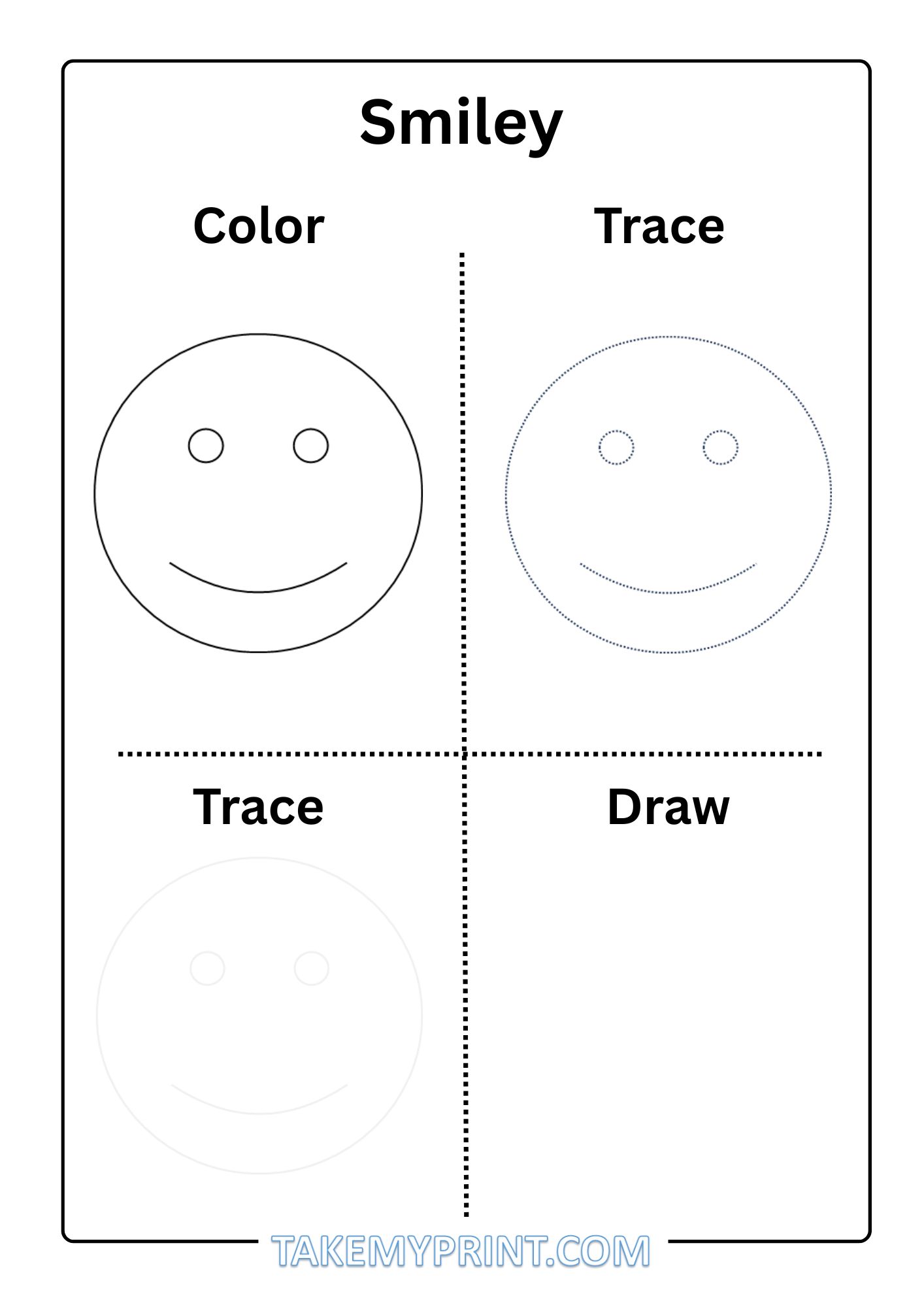
Trace Your Way to Fun Shapes! Free & Printable Tracing Numbers Sheets!
Help your child build a strong foundation in geometry and spatial awareness with our collection of free, printable shape tracing sheets! Learning to draw and recognize shapes is a crucial step in early development, preparing children for handwriting, problem-solving, and a lifelong understanding of the world around them. Our engaging sheets make practicing shape formation easy and fun! From simple circles to complex polygons, these activities help little learners develop the precision and confidence they need to succeed in school and beyond.
Free Printable Tracing Sheets for Kids: Easy Handwriting & Fine Motor Practice!
Welcome to the collection of free, printable tracing sheets at TakeMyPrint! If you are searching for simple, effective learning activities for toddlers, preschoolers, and early elementary students, you are in the right spot. Learning how to write starts long before a child picks up a pencil to write full sentences. It begins with simple lines, curves, shapes, and dotted letters. We designed our entire library of downloadable PDFs to make this early learning phase easy, approachable, and fun.
Whether your child is taking their very first steps toward pencil control or practicing their uppercase and lowercase letters, our printables give parents, homeschoolers, and teachers a reliable resource. Every page features clean layouts and clear dotted guidelines so little hands can build confidence without getting overwhelmed.
Why Line and Letter Tracing is Vital for Early Writing Skills
To a child, tracing lines or joining dotted letters feels like a game. But behind the scenes, these exercises serve as crucial building blocks for proper handwriting and motor development. Here is why consistent tracing practice plays such an important role in early childhood growth:
1. Developing Fine Motor Strength and Control
Before young children can form recognizable letters, they must learn how to control the tiny muscles in their hands, fingers, and wrists. Tracing along dotted paths forces kids to slow down and use precise hand movements. Over time, this builds the finger strength and hand stability needed to write smoothly without experiencing early fatigue or strain.
2. Mastering Proper Pencil Grip and Pressure
Watching a toddler hold a pencil for the first time often shows a tight fist grip. Tracing simple lines gives them a low-pressure way to transition toward a comfortable, natural three-finger grip (or tripod grasp). Additionally, tracing teaches children how to adjust pencil pressure so they do not press down too hard or draw lines so faint they can hardly be seen.
3. Strengthening Visual-Spatial Awareness
Learning how to write requires understanding spatial relationships like up, down, left, right, inside, and outside. When kids follow guided lines, their eyes and hands learn to coordinate closely. This visual-spatial development lays a strong groundwork not just for neat penmanship, but also for reading across a page from left to right and recognizing basic geometric shapes.
4. Boosting Early Literacy and Letter Recognition
Tracing is a multi-sensory way to learn the alphabet and numbers. Instead of just looking at a letter on a flashcard, physically tracing its loops and strokes helps solidify its shape in a child’s memory. Connecting the motion of writing with letter recognition helps kids recognize sight words faster once they enter preschool and kindergarten.
Explore Our Collection of Printable Tracing Worksheets
Finding the right learning material for your child’s current skill level should not take hours. We organized our TakeMyPrint library into straightforward categories so you can quickly print exactly what you need:
Line and Path Tracing: Simple straight, zig-zag, curved, and wavy lines designed for toddlers and beginners who are just learning pencil control.
Shape Tracing Pages: Circles, squares, triangles, stars, and hearts that help young children master basic geometry while refining their drawing skills.
Alphabet Letter Tracing (A-Z): Comprehensive uppercase and lowercase letter sheets that guide kids through proper letter formation step-by-step.
Number Tracing Sheets: Simple 0 to 9 and 1 to 20 practice pages that pair traceable numbers with visual counting objects.
Word and Sight Word Tracing: Easy vocabulary sheets featuring high-frequency words, colors, days of the week, and simple objects to support early reading.
Seasonal and Themed Tracing: Fun holiday and seasonal packs that keep daily practice engaging throughout the school year.
Creative Ways to Use Tracing Sheets at Home or in Class
Worksheets do not have to feel repetitive or boring. Here are four practical ideas to make tracing activities more interactive and budget-friendly:
Laminate Pages for Reusable Daily Practice:
Slide your printed pages into clear sheet protectors or run them through a home laminator. Hand your child dry-erase markers so they can trace, erase with a cloth, and practice all over again. This saves paper and makes daily morning warm-ups super easy.
Add Sensory Materials with Finger Tracing:
Before using a pencil, have your child trace the dotted lines using their index finger dipped in finger paint, shaving cream, or colored sand. Experiencing different textures helps build muscle memory for letter shapes through tactile feedback.
Turn Tracing Sheets into Craft Projects:
Once the tracing is finished, keep the activity going! Kids can use watercolors, stamps, dot markers, or tiny stickers to cover the traced lines. This keeps young learners engaged longer while continuing to refine their hand-eye coordination.
Build a Custom Practice Workbook:
Print out a collection of line, shape, letter, and number sheets, then punch holes along the side and put them into a 3-ring binder. Having a dedicated “writing binder” gives children a sense of pride as they flip through their completed work over time.