Shape Tracing Activity Pages!
Welcome to the Shape Shifters’ Studio!
Unlock the world of geometry with our Free Printable Shape Tracing Worksheets! If your little explorer is ready to master circles, squares, and stars, you’ve found the ultimate early math and writing headquarters. Our collection is expertly designed to turn shape recognition into a hands-on adventure that builds a rock-solid foundation for future learning.
Why Our Shape Tracing Pages are a Classroom Favorite:
-
Foundational Geometry: Learning to trace and identify basic 2D shapes is the “first step” toward understanding math, spatial awareness, and symmetry.
-
Pre-Writing Power: Tracing straight lines, sharp corners, and smooth curves is the best way to develop the pencil control and fine motor strength needed for writing letters and numbers.
-
Visual Discrimination: Our worksheets help children notice the differences between a triangle and a diamond, boosting their critical thinking and observation skills.
-
Instant-Download PDFs: Whether you need a no-prep preschool center, a homeschooling geometry lesson, or a rainy-day activity, our high-quality printables are ready in a flash.
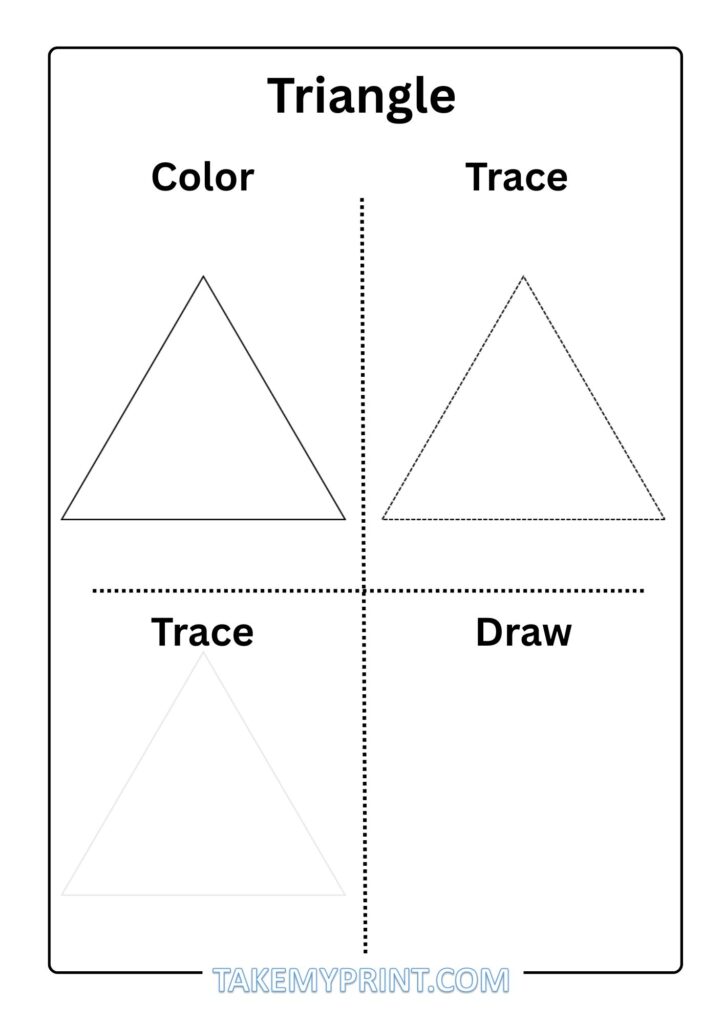
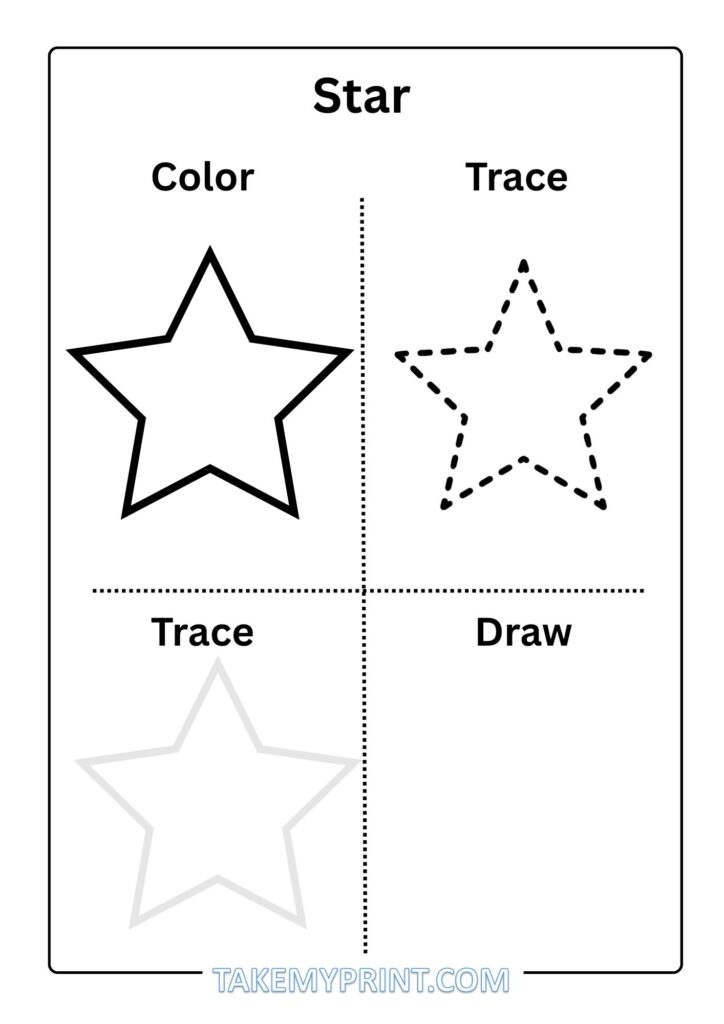
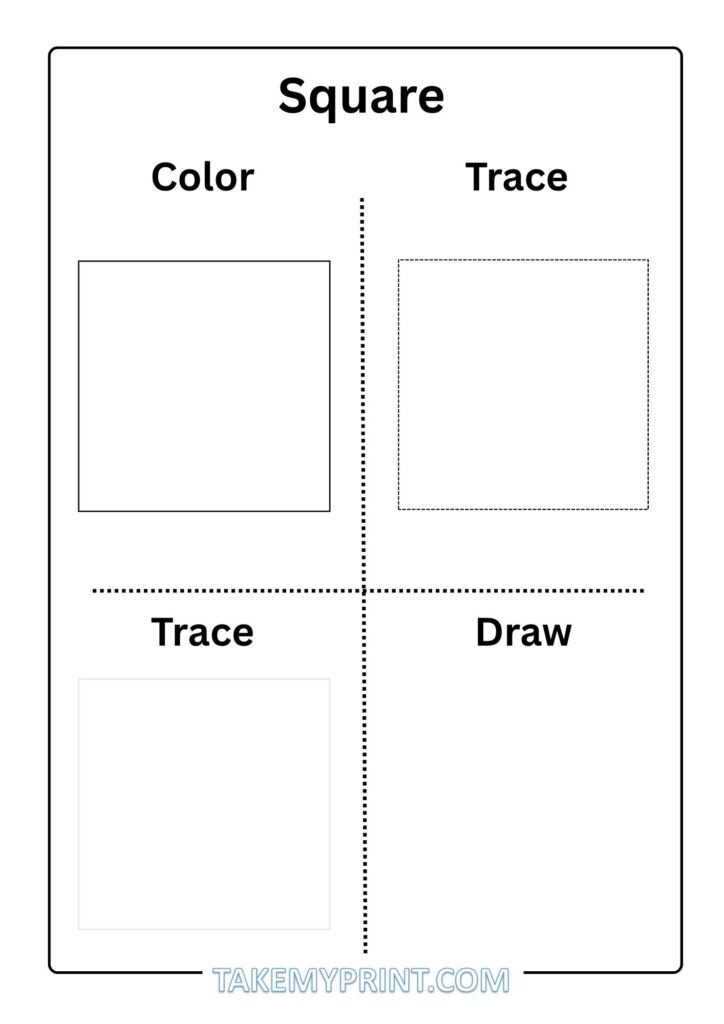
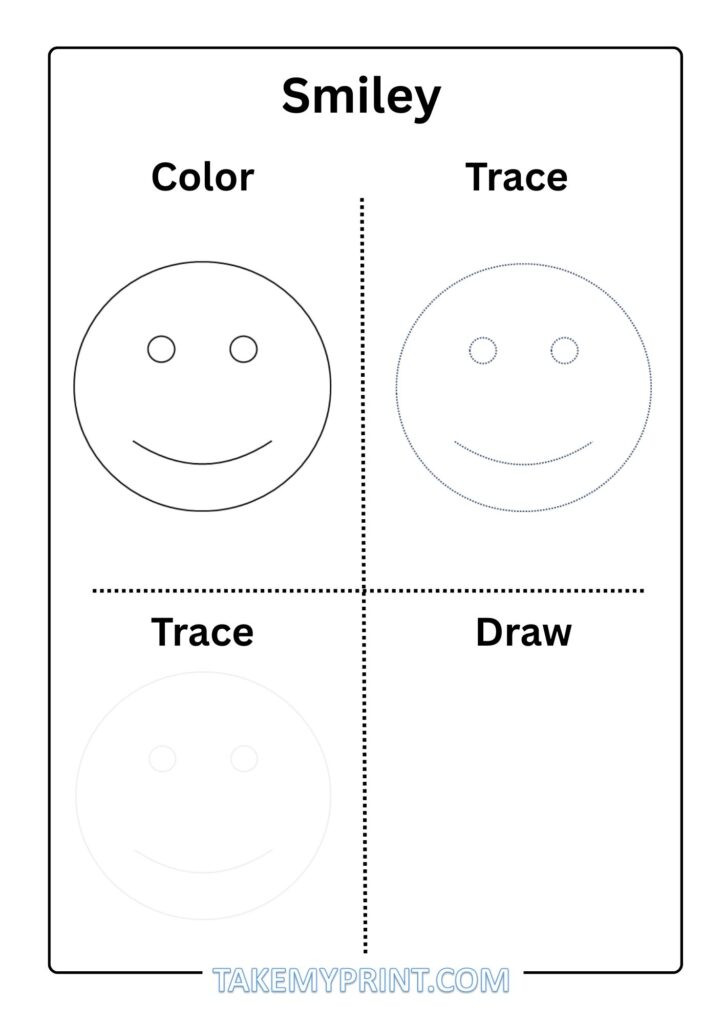
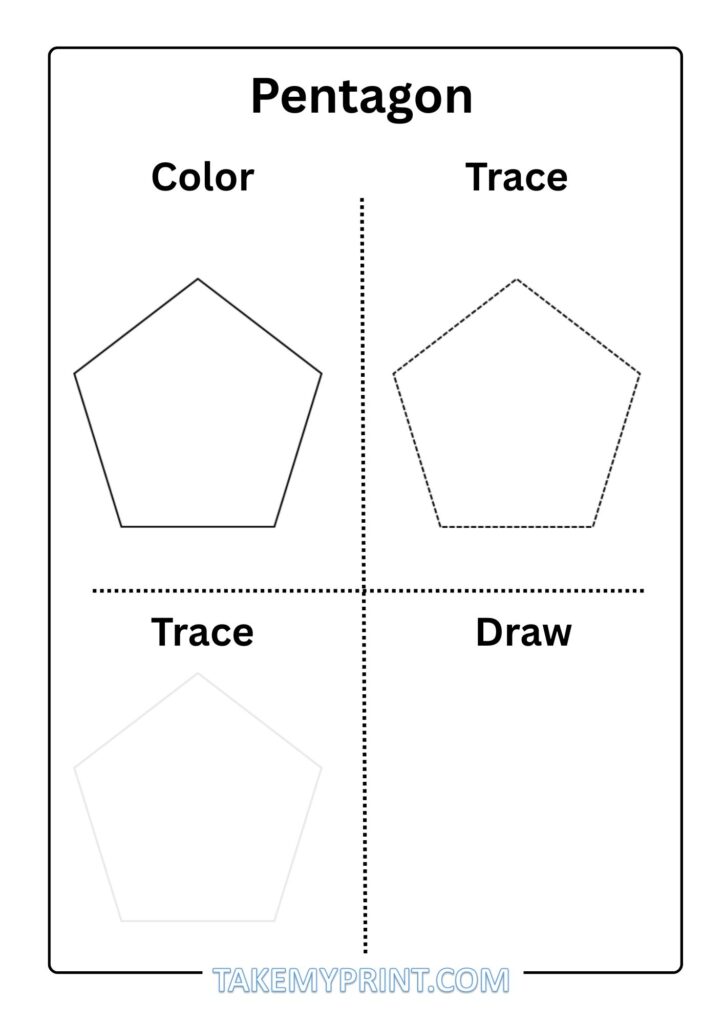
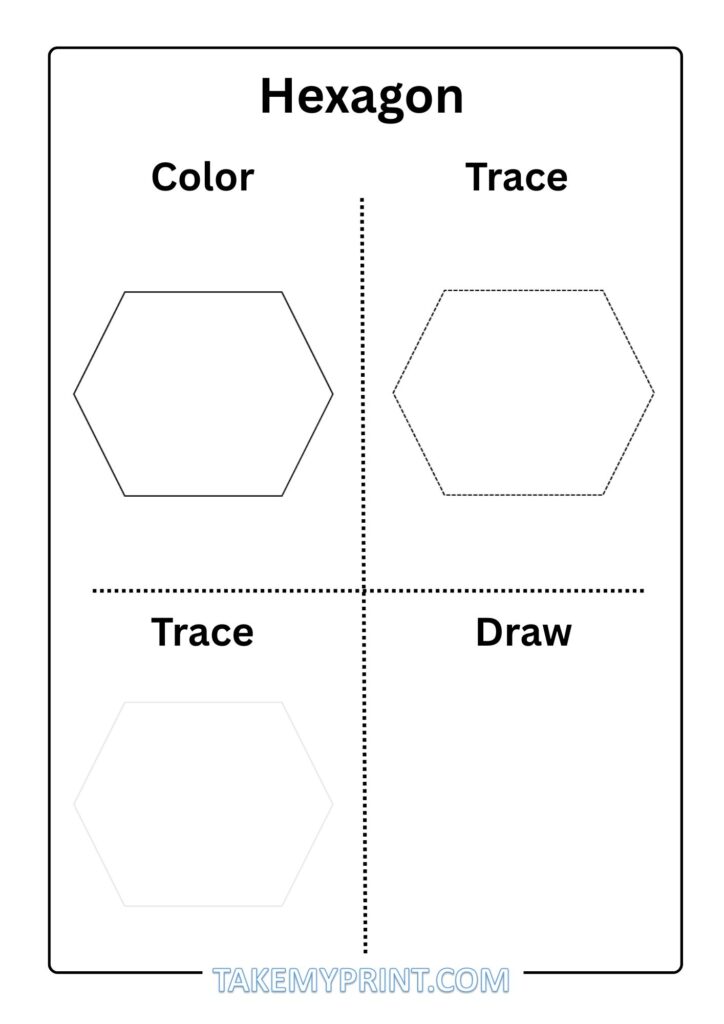
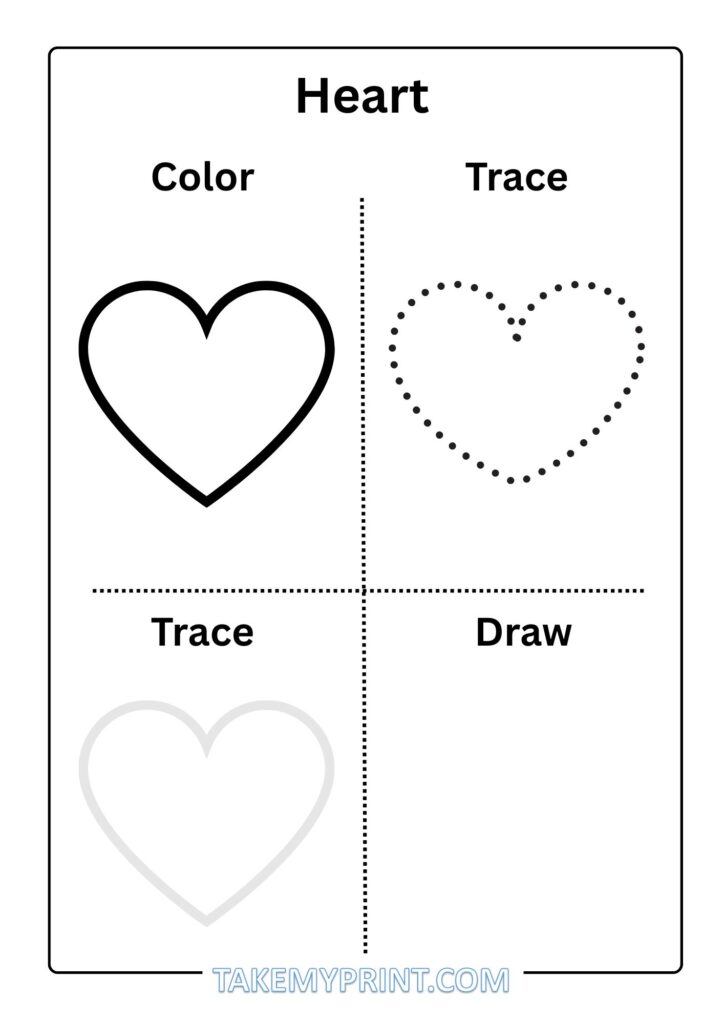
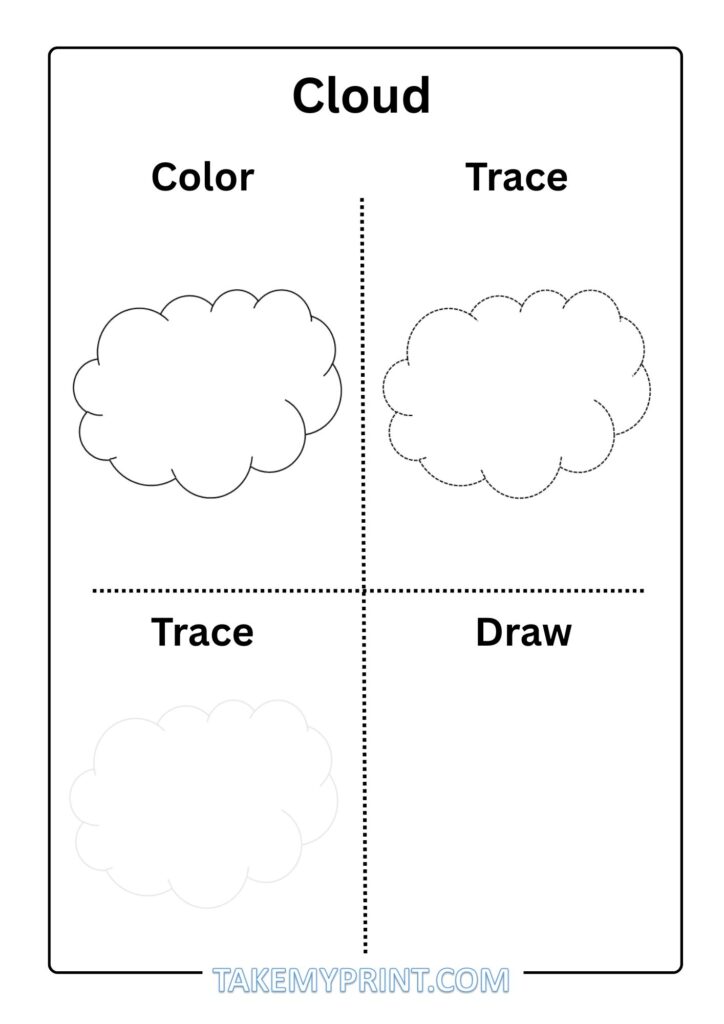
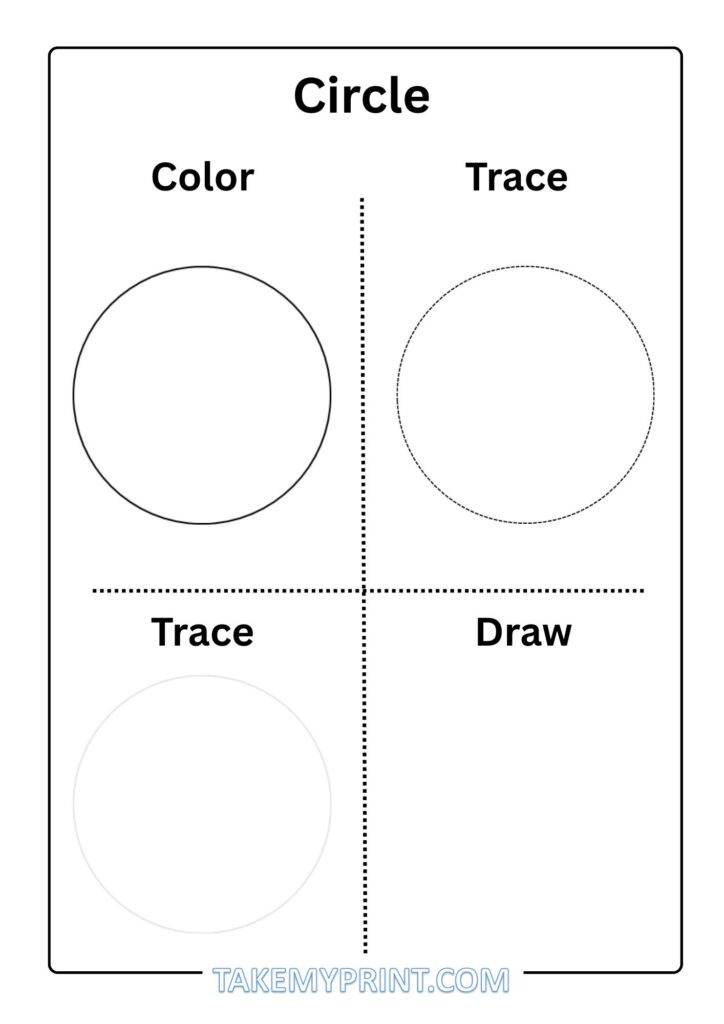
Free Printable Shape Tracing Sheets: Early Geometry & Fine Motor Practice
Welcome to the shape tracing collection at TakeMyPrint! If you are looking for clear, structured, and engaging geometry worksheets for toddlers, preschoolers, and kindergarteners, you are in the right spot. Learning how to identify, trace, and draw basic geometric shapes—such as circles, squares, triangles, rectangles, stars, and hearts—is an essential milestone in early childhood education. Shape recognition lays the foundation for geometry, handwriting spatial awareness, and visual-spatial reasoning.
We designed our entire library of downloadable PDFs to make mastering basic shapes simple, intuitive, and fun. Whether your child is taking their first steps in pencil control or learning how lines connect to form closed boundaries, our printables offer parents, homeschoolers, and teachers a reliable, high-quality resource. Every page features clean dotted shape outlines, starting points, and child-friendly design elements.
Why Shape Tracing is Essential for Preschool Development
Tracing geometric shapes along guided dotted paths is more than just a fun drawing activity—it provides vital physical and cognitive training necessary for school readiness. Here is why consistent shape tracing plays such an important role in early childhood growth:
1. Building Essential Fine Motor Control and Hand Endurance
Drawing geometric shapes requires a diverse set of hand movements. A circle requires smooth, continuous counter-clockwise curves; a square requires crisp 90-degree stops and sharp corners; a triangle requires controlled diagonal slides. Tracing these varied shapes helps young children strengthen the small muscle groups in their fingers, hands, and wrists, laying a strong foundation for fluent handwriting.
2. Enhancing Spatial Awareness and Visual Discrimination
To trace a shape accurately, a child must perceive where a line starts, changes direction, and connects back to its beginning. Practicing shape tracing develops spatial orientation and visual discrimination—the ability to distinguish between different forms and proportions. These visual-spatial skills are critical for identifying letters (like distinguishing between “O,” “D,” and “P”) and solving early math puzzles.
3. Establishing Pre-Writing Stroke Fundamentals
Before children can write letters or digits, they must master the fundamental line strokes that compose them. Straight vertical lines, horizontal bars, diagonal slants, and curved loops are all learned through basic shape drawing. Mastering a square prepares kids for letters like “E” and “L,” while mastering a circle prepares them for letters like “O,” “C,” and “a.”
4. Transitioning to a Mature Tripod Pencil Grip
Shape tracing gives toddlers and preschoolers a relaxed, low-pressure setting to practice holding a crayon or pencil correctly. Moving away from a primitive palm grip toward a stable three-finger tripod grip makes pencil movement smoother and prevents early hand fatigue as writing tasks become more demanding.
Explore Our Collection of Printable Shape Tracing Sheets
To help you find the exact learning sheets your child needs, we organized our TakeMyPrint shape category into clear, convenient sections:
Basic Geometric Shapes: Simple, single-shape sheets featuring large traceable circles, squares, triangles, rectangles, ovals, and diamonds.
Fun & Decorative Shapes: Engaging, friendly designs featuring traceable stars, hearts, crescents, pentagons, hexagons, and octagons.
Shape Matching & Identification Sets: Interactive worksheets where children trace shapes and connect them to real-world objects (like matching a circle to a clock or a square to a window).
Traced Shape Coloring Pages: Creative sheets combining bold traceable shape boundaries with fun internal patterns and pictures for dual tracing and coloring fun.
Creative Ways to Use Shape Tracing Sheets at Home or in Class
Learning basic shapes is most effective when combined with interactive, hands-on play! Here are four easy, budget-friendly ways to transform simple shape printables into engaging learning activities:
Laminate for Reusable Daily Practice:
Slide printed sheets into clear plastic sheet protectors or run them through a laminator. Kids can trace the shapes using dry-erase markers, wipe them clean with a towel, and reuse them daily without wasting paper.
Sensory Tracing with Playdough and Yarn:
Before using a pencil, have your child roll out playdough “snakes” or cut pieces of colorful yarn to lay directly over the dotted shape outlines. This tactile feedback reinforces shape geometry and boundaries through hands-on play.
Incorporate Color-Coded “Rainbow Tracing”:
Let your child trace over each dotted shape outline multiple times using different bright colored markers or crayons. This turns repetitive line practice into a vibrant, multi-colored artwork while reinforcing proper pencil control.
Go on a Real-World “Shape Hunt”:
After your child completes a shape tracing page (such as a rectangle sheet), encourage them to search the room for real objects that match that shape—like books, doors, or picture frames. Connecting printed shapes to real-world objects reinforces early spatial learning.
Frequently Asked Questions (FAQs)
Are all shape tracing sheets on TakeMyPrint 100% free?
Yes! Every single shape tracing worksheet on TakeMyPrint is completely free to access, download, and print. You can freely use them for personal family fun, homeschooling lessons, daycare crafts, or preschool classroom activities. Pick your favorite shape design, open the high-res PDF, and print instantly.
At what age should toddlers start tracing basic shapes?
Most toddlers are ready to begin basic shape tracing around ages 2.5 to 4 years old. Starting with large, simple shapes like circles and squares allows young children to practice finger tracing and thick crayon strokes before moving on to complex shapes with fine pencil control.